Buying a condo in Seal Beach can look simple on the surface, but the details behind the unit matter just as much as the layout, view, or price. If you are comparing coastal condos, you also need to understand the HOA, the building’s maintenance history, and the extra rules that can come with a coastal location. This guide will help you spot the issues that deserve a closer look so you can make a more confident decision. Let’s dive in.
Why Seal Beach condo buying is different
When you buy a condo in Seal Beach, you are not just buying the unit. You are also becoming part of a homeowners association, and that means the association’s documents and rules can shape daily life.
In California common-interest developments, HOA membership is automatic when you buy. That matters because the HOA may regulate things like parking, balcony use, exterior changes, and other property rules that can affect how you live in the home.
Seal Beach also comes with a coastal layer that buyers should not ignore. According to a 2025 California Coastal Commission staff report, the City of Seal Beach does not have a certified Local Coastal Program or certified Land Use Plan, so Chapter 3 of the Coastal Act remains the standard of review for projects there.
In practical terms, that means a condo purchase in Seal Beach often involves a three-part review: the unit itself, the HOA, and the coastal rules that may apply to the property. If you skip any one of those, you may miss an important risk or limitation.
Start with the HOA documents
One of the most important parts of condo due diligence is reviewing the association package early. Under California Civil Code section 4525, sellers must provide buyers with governing documents, assessment information, unresolved violation notices, rent restrictions if they exist, requested board minutes, and the most recent inspection report for exterior elevated elements.
You should treat these documents as essential, not optional. They can tell you how the association is run, what owners are responsible for, whether there are disputes or repairs in progress, and whether your future plans fit the rules.
Key documents to review
Before closing, make sure you review the following:
- CC&Rs
- Bylaws
- HOA rules and architectural guidelines
- Current monthly dues
- Any pending dues increases
- Special assessment disclosures or expectations
- Reserve summary and budget report
- Insurance summary and deductibles
- Unresolved violation notices
- Rental restrictions or lease caps
- Board minutes you requested
- Exterior elevated element inspection report
These documents can reveal issues that may not be obvious during a showing. A beautiful unit may still come with a financially strained association, deferred maintenance, or use restrictions that do not match your goals.
Pay close attention to reserves and special assessments
If there is one part of the HOA package buyers should slow down for, it is the reserve information. California law requires a reserve study at least every three years, with annual review by the board, and the study must identify major components with less than 30 years of useful life, their replacement costs, and the plan for funding them.
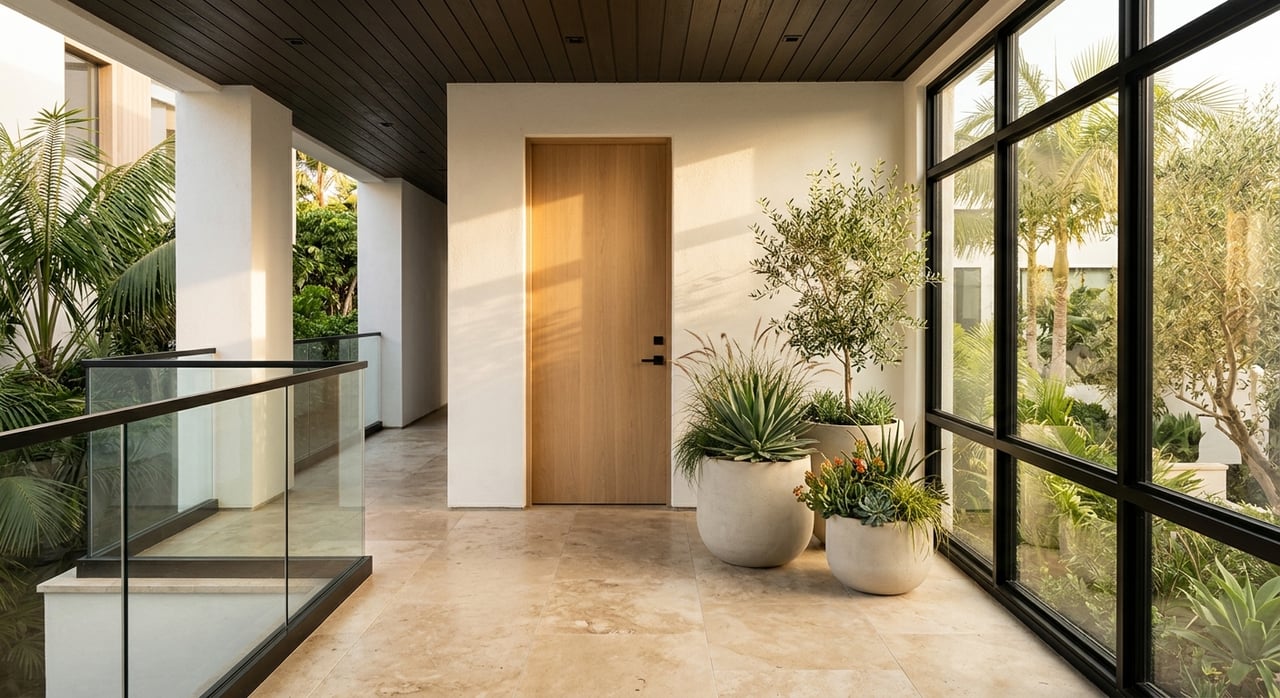
That matters even more in a coastal setting. Salt air, moisture, and weather exposure can put more stress on balconies, railings, waterproofing, and exterior materials.
The association must also inspect a random and statistically significant sample of exterior elevated elements, such as decks, balconies, stairways, and walkways, at least once every nine years. That written report becomes part of the reserve study, which makes it a valuable document for any buyer reviewing a condo building near the coast.
Red flags in the financials
Watch for signs that the association may be underfunded or facing expensive work soon:
- Low reserve funding
- Deferred major repairs
- Outstanding association loans
- Expected or likely special assessments
- Repeated repair issues in board minutes
- Large deductibles or weak insurance details
Regular HOA dues support operations and long-term reserves, but they are not the whole story. Associations can also levy special assessments for major repairs, replacements, or unexpected costs, so you want to know whether the monthly payment reflects a stable building or just the starting point.
Understand what the HOA maintains
One of the most common buyer questions is simple: what does the association maintain, and what becomes your responsibility after closing? That answer matters for your budget, your insurance, and your long-term maintenance planning.
The California Department of Insurance explains that condo unit-owner policies generally cover personal property, loss of use, personal liability, and the interior of the unit plus improvements that the owner is responsible to maintain under the HOA rules. By contrast, the association generally insures the building structure and common areas.
That division is not always intuitive. Depending on the governing documents, you may be responsible for certain interior finishes, upgrades, or areas that are not obvious at first glance.
Ask these maintenance questions early
Before you remove contingencies, ask:
- What does the HOA insure and maintain?
- What is the owner responsible for inside the unit?
- How are balconies, railings, windows, and waterproofing handled?
- Has the building had recent exterior repairs?
- Are there unresolved maintenance concerns noted in disclosures or minutes?
These questions can help you avoid surprises after move-in. They are especially important in older coastal condo communities where exterior wear may not be visible from a quick walkthrough.
Coastal rules can affect future changes
Many buyers assume HOA approval is the main hurdle for condo updates. In Seal Beach, that may not be enough.
Because the city still lacks a certified Local Coastal Program, the Coastal Commission remains the permit-issuing entity in the coastal zone, and development must comply with Chapter 3 of the Coastal Act. For some properties, exterior work and common-area projects may require more than an HOA sign-off.
This is especially relevant if you hope to modify a balcony, enclosure, railing, window system, or shared exterior area. California Civil Code section 5310 also requires the HOA’s annual policy statement to summarize approval requirements for physical changes to property, so that document deserves careful review.
Why this matters for buyers
If you are buying with renovation plans, do not assume a condo can be changed like a detached house. In Seal Beach, exterior improvements may involve:
- HOA approval
- Building-level design or architectural rules
- Coastal permit review in the coastal zone
That extra layer can affect timing, cost, and feasibility. It is better to know that before closing than after you own the unit.
Check for deed restrictions and coastal risk
Coastal risk in Seal Beach is not theoretical. The city’s housing element says low-lying portions of the city face the highest inundation risk, and significant sea level rise and storm flooding are projected to affect areas including Main Beach/Old Town and NWS Seal Beach.
The same city document also states that some properties have been deed-restricted through Coastal Commission permit conditions that waive future shoreline protective devices such as seawalls or revetments. That is a very important issue for buyers to investigate.
A recorded deed restriction can shape what future protection options may or may not be available. If you are considering a condo in a low-lying coastal area, ask whether the unit, building, or parcel is subject to any recorded Coastal Commission condition.
Insurance deserves a deeper review
Insurance can be one of the most overlooked parts of condo buying, especially in coastal areas. In Seal Beach, it deserves more attention because standard coverage does not always protect against the risks buyers assume are included.
According to the California Department of Insurance, standard homeowners coverage usually excludes flood, earthquake, mold, and wear-and-tear losses. That means your unit policy and the HOA master policy need to be reviewed together, not separately.
Flood insurance and condo ownership
Flood coverage is typically separate from standard homeowners insurance. For condos, a unit owner’s flood insurance usually covers the interior of the unit, such as drywall, flooring, and cabinets, while the association’s policy is generally designed to protect the building structure and related systems.
That split matters because building coverage and contents coverage are separate and come with separate deductibles and limits. If a property has flood exposure, you want to understand both the association’s protection and your own likely coverage needs.
Earthquake coverage and loss assessments
Earthquake insurance is also a separate decision. The California Department of Insurance says insurers must offer earthquake coverage for an additional premium, and condo owners may also want to consider loss-assessment coverage if the association assesses owners after covered earthquake damage.
It is also important to remember that earthquake insurance does not cover flood or tsunami damage. In other words, one policy does not solve every coastal risk.
Ask about insurance gaps
As you review a Seal Beach condo, ask:
- What does the HOA master policy cover?
- What are the deductibles?
- Is flood coverage in place where needed?
- Is there a gap between the master policy and the unit-owner policy?
- Would loss-assessment coverage make sense for this building?
If a property is difficult to insure through the standard market, the California FAIR Plan may be a fallback option. However, the California Department of Insurance cautions that it does not cover storm-related damage unless paired with a supplemental difference-in-conditions policy from another insurer.
Rental rules matter for future flexibility
If you are buying a condo for flexibility, future renting plans, or investment use, do not skip the rental restrictions. California law requires disclosure of rent restrictions if they exist, and those limits can affect whether the property fits your goals.
You should confirm whether the HOA has lease caps, waiting periods, tenant rules, or other rental limitations. Even if you plan to owner-occupy now, future options matter.
Seal Beach also has a location-specific short-term rental issue. The city’s housing constraints appendix says the zoning code was amended in 2023 to allow short-term rentals within the coastal zone, capped at 1% of residential units, but the regulations still must be reviewed, potentially modified, and approved by the Coastal Commission.
For buyers, that means short-term rental potential should be vetted on two levels: HOA restrictions and the city-coastal overlay. If rental income is part of your plan, confirm both before moving forward.
A practical checklist for Seal Beach buyers
When you are evaluating a Seal Beach condo, focus on the points most likely to affect ownership costs and future use.
Seal Beach condo diligence checklist
- Review all HOA governing documents
- Confirm monthly dues and any expected increases
- Read the reserve summary carefully
- Check for special assessment risk
- Review the exterior elevated element inspection report
- Ask about balconies, waterproofing, and exterior repair history
- Verify rental restrictions and lease rules
- Review the insurance summary and deductibles
- Ask whether flood or earthquake gaps exist
- Confirm whether coastal permits may affect planned changes
- Ask about any recorded Coastal Commission deed restrictions
- Evaluate whether the location has known inundation or storm flooding sensitivity
A condo can still be a great fit in Seal Beach, but the right purchase usually comes down to how well you understand the details before closing. Careful review now can help you avoid expensive surprises later.
If you want experienced, hands-on guidance while comparing coastal condos and reviewing the details that matter, connect with Olivia Noh. You will get thoughtful support, clear communication, and a more confident path through the buying process.
FAQs
What HOA documents should you review before buying a Seal Beach condo?
- You should review the CC&Rs, bylaws, rules, architectural guidelines, budget and reserve summary, assessment information, insurance summary, unresolved violation notices, rental restrictions, requested board minutes, and the most recent exterior elevated element inspection report.
Why do coastal rules matter when buying a Seal Beach condo?
- Coastal rules matter because Seal Beach does not have a certified Local Coastal Program, so projects in the coastal zone may be reviewed under Chapter 3 of the Coastal Act and may require more than HOA approval for certain exterior changes.
Can HOA fees in a Seal Beach condo increase after closing?
- Yes. In addition to regular monthly dues, associations may impose special assessments for major repairs, replacements, or unexpected expenses, which is why reserve strength and budget disclosures are so important.
Does a Seal Beach condo owner need separate flood or earthquake insurance?
- Possibly. Standard homeowners coverage typically excludes flood and earthquake, so you should review the HOA master policy, your unit-owner policy needs, and any coverage gaps before closing.
Are short-term rentals allowed in Seal Beach condos?
- That depends on both the HOA rules and the local coastal zoning framework. In the coastal zone, the city has taken steps to allow short-term rentals with a cap, but the regulations still require Coastal Commission review and approval.
What is a major red flag in a Seal Beach condo HOA?
- Major red flags include low reserves, deferred repairs, likely special assessments, unclear balcony or waterproofing history, weak insurance details, high deductibles, unresolved violations, and rental restrictions that conflict with your plans.