Thinking about buying in Seal Beach but torn between a condo and a single-family house? You are not alone. Each option has real tradeoffs around cost, control, and lifestyle, especially in a coastal city where small-lot living and walkability raise demand. This guide breaks down the key differences so you can map the right choice to your plans, budget, and daily routine. Let’s dive in.
Seal Beach at a glance
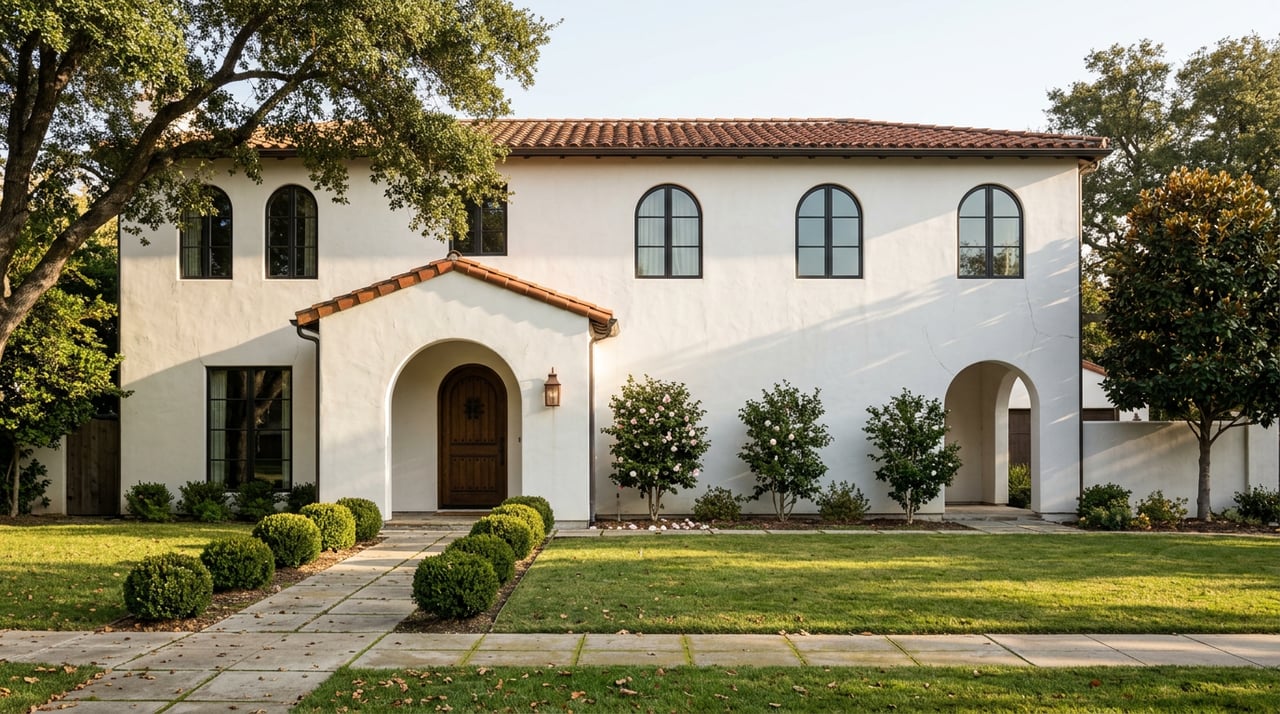
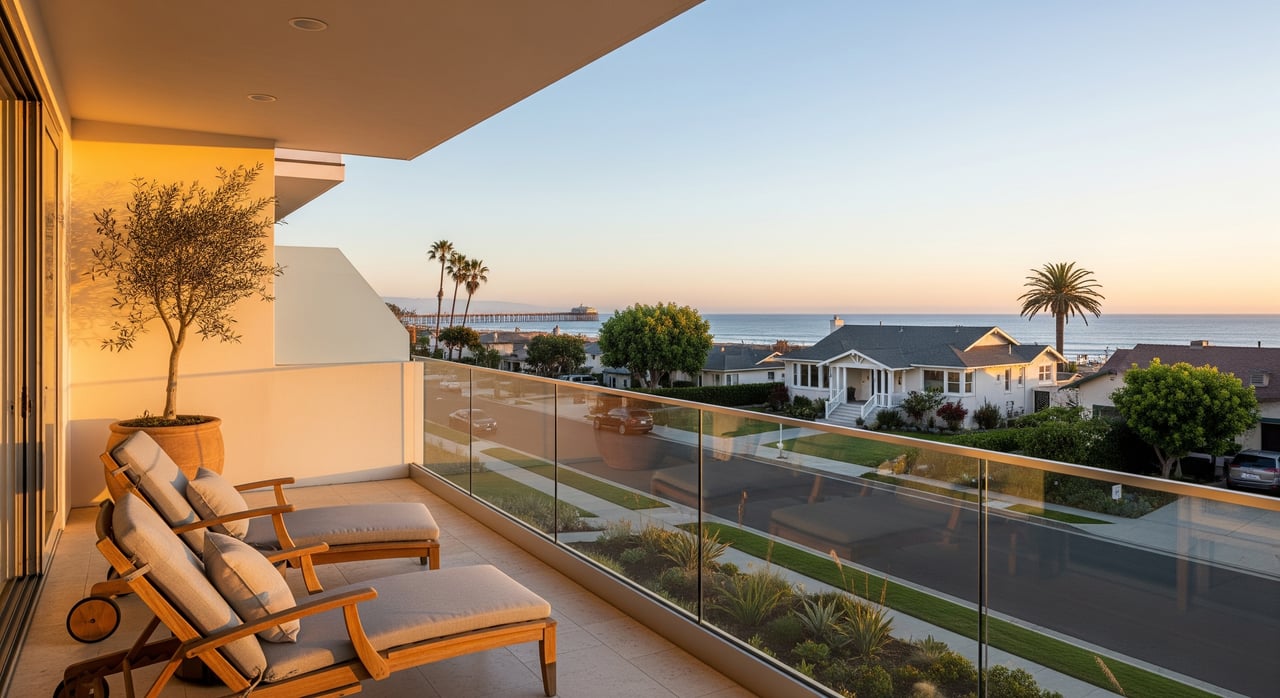
Seal Beach is a compact coastal city with a walkable Old Town near the pier and a mix of residential pockets nearby. You will find older beach cottages, mid-century houses, and larger modern homes farther from the water. Low- to mid-rise condo buildings and townhomes cluster closer to Old Town and transit corridors. The beach location supports strong demand for small-lot living and convenient access to shops and restaurants.
Total cost of ownership: condo vs house
Your monthly payment is more than the mortgage. A clear comparison helps you see the true gap between a Seal Beach condo and a single-family home.
Quick monthly cost calculator
Estimate total monthly cost = Mortgage principal + interest + Property tax + Homeowner’s insurance (HO-3 for houses, HO-6 for condos) + HOA dues (if any) + Utilities + Maintenance reserve + HOA special assessment reserve (if applicable).
Run the same down payment and loan term for both property types. For condos, include HOA dues and a small reserve for potential special assessments. For houses, include a higher maintenance reserve.
Purchase price and financing
- Condos in coastal areas often start at lower prices than single-family homes in the same location, though the exact gap varies by building and condition.
- Lenders apply extra underwriting for condos. Many require the project to meet eligibility standards, and FHA or VA loans look for approved communities. If a building does not meet a lender’s criteria, you may face a higher down payment or fewer financing options.
- Single-family homes are typically more straightforward to finance.
Property taxes and assessments
- In California, Proposition 13 sets a base property tax of about 1 percent of assessed value, with modest annual increases. In many Orange County neighborhoods, total tax rates often fall around 1.1 to 1.3 percent when local assessments are included. Always check the current tax bill for the exact rate.
- Some neighborhoods may include additional community facilities district charges, sometimes called Mello-Roos. Verify this on the parcel level before you make an offer.
HOA dues and what they cover
- Condo HOA dues in coastal Orange County often range from a few hundred to several hundred dollars per month, and amenity-heavy buildings can exceed $1,000 per month.
- Dues may cover exterior maintenance, roof, common area landscaping, building insurance on a master policy, trash, some utilities, security, and reserves.
- Review the reserve study and any history of special assessments. If reserves are low, owners could face additional one-time charges for capital repairs.
Maintenance and repairs
- Single-family homes: you handle all structure, roof, exterior, landscaping, and systems. A common rule of thumb is to set aside about 1 to 3 percent of the home’s value per year for maintenance and major repairs, adjusted for age and condition.
- Condos: the HOA handles exterior and common systems, while you cover interior finishes and appliances. Your direct maintenance workload is lighter, but your dues fund building upkeep.
- Coastal salt air can accelerate wear on roofs, paint, and metal components. Build this into your budgeting and inspections.
Insurance and earthquake coverage
- Houses: you will typically carry an HO-3 policy that insures the structure and your belongings.
- Condos: you will typically carry an HO-6 policy for interior improvements and personal property, while the HOA’s master policy covers common areas and the building to the extent defined in the CC&Rs.
- Master policy types vary. An “all-in” or “walls-out” policy may cover certain interior elements, while a “bare walls-in” policy places more responsibility on the unit owner. Confirm what the master policy includes and its deductibles.
- Earthquake insurance is not part of standard policies in California. Separate earthquake coverage is available and can be costly. Consider building type, deductible, and your risk tolerance.
Utilities and other monthly costs
- Condos: some buildings include water, trash, or gas in HOA dues, while electricity and internet are usually separate.
- Houses: you pay all utilities and may see higher water and irrigation costs, along with heating and cooling for a larger space.
- Energy efficiency varies by age and construction. Older coastal buildings may have less insulation.
Parking and vehicles
- Condos: expect assigned or tandem spaces and rules on guest parking. Check the HOA’s parking policy, especially if you have multiple vehicles or plan to entertain often.
- Houses: you usually have a private garage or driveway. Street parking rules still apply citywide.
Resale fees and disclosures
- Sellers should budget for customary transfer taxes, brokerage fees, and any outstanding assessments.
- For condos, you will need to provide HOA documents and a resale package. These come with processing fees and timelines, so plan ahead.
Lifestyle tradeoffs in Seal Beach
Space and privacy
- Houses typically provide larger interior space plus private yards and garages. You gain more separation from neighbors.
- Condos trade private outdoor space for balconies and common areas, which can suit a lock-and-leave lifestyle.
Control and renovations
- Houses offer broad control over improvements, subject to city permits and code.
- Condos must follow HOA architectural rules, which can limit exterior or even certain interior changes.
Noise and shared living
- Condos share walls and sometimes ventilation stacks, which can raise noise transfer.
- Houses reduce structural noise transfer and offer more control over your surroundings.
Amenities and daily routine
- Condos often come with pools, gyms, and low-maintenance living near shops and the beach. This can be ideal for downsizers, second-home buyers, or professionals who value convenience.
- Houses suit buyers who want a garden, storage, workshop space, or more flexibility for pets.
Pet and rental rules
- HOAs can restrict pet size, breed, and number, and can set rental terms, including minimum lease lengths. The City of Seal Beach also regulates short-term rentals. Review HOA rules and city code before you buy.
Condo due diligence essentials
- Financial health: read the budget, most recent reserve study, and year-to-date financials. Watch for low reserves, operating deficits, or frequent special assessments.
- Master insurance: confirm whether the policy is all-in or bare walls-in, coverage limits, and deductibles. Check your HO-6 policy for loss assessment coverage.
- Project eligibility: ask your lender about owner-occupancy ratios, reserve requirements, and any FHA or VA approval status.
- Rules and use: review rental rules, pet policies, remodeling requirements, and parking.
- Building condition: look at roof age, elevator service, exterior maintenance, and any seismic or waterproofing upgrades.
- Litigation: note any current or recent lawsuits involving the HOA.
Single-family due diligence essentials
- Structure and systems: evaluate roof, foundation, drainage, HVAC, plumbing, and electrical, with attention to coastal corrosion.
- Termite and moisture: get pest and wood-destroying organism reports, and check for water intrusion.
- Utilities and landscape: review irrigation needs, water costs, and yard maintenance requirements.
- Taxes and assessments: confirm the exact tax rate, any parcel taxes, and any Mello-Roos or special district charges.
- Neighborhood context: assess noise, traffic patterns, and access to the amenities you value, including Old Town and the beach.
Quick decision framework
Choose a condo if you prioritize
- Lower entry price compared to nearby houses.
- Reduced hands-on maintenance and predictable monthly dues.
- Walkability to Old Town, the pier, and neighborhood retail.
- Amenities like a pool or gym and a lock-and-leave lifestyle.
Choose a single-family home if you prioritize
- Private yard, garage, storage, and room to grow.
- More control over renovations and fewer restrictions.
- Lower reliance on HOA decisions and special assessments.
- Long-term ownership tied to land value and flexible use.
Red flags to slow down and investigate
- HOA reserves are low or zero, or there is a pattern of special assessments.
- The condo project has high investor concentration or active litigation.
- Signs of chronic water intrusion, mold, or deferred exterior maintenance in any property type.
- Financing hurdles such as a project that does not meet lender eligibility when you need FHA or VA.
How a local advisor helps you move faster
A smart comparison looks past list price to financing fit, HOA health, and coastal maintenance realities. A local, senior-level advisor can model total monthly costs, review HOA documents, coordinate inspections, and flag risks before you write an offer. If you are selling, thoughtful preparation and presentation can elevate value, and programs like Compass Concierge can help you complete improvements with less friction.
If you want a clear side-by-side plan for Seal Beach, reach out. You will get tailored numbers, building-level insight, and a confident path to the right home. Connect with Olivia Noh to get started.
FAQs
What costs do HOA dues usually cover in Seal Beach condos?
- Dues often include exterior maintenance, roof, common area landscaping, building master insurance, trash, some utilities, security, and reserves, but coverage varies by building.
How do property taxes work for Seal Beach homes?
- California’s base tax is about 1 percent of assessed value, with many Orange County areas totaling around 1.1 to 1.3 percent; confirm the exact rate and any parcel or district charges.
Is earthquake insurance required for condos or houses?
- It is not included in standard policies and is typically optional, but many coastal owners evaluate separate earthquake coverage based on building type and deductible.
How does walkability differ between condos and houses near Old Town?
- Condos are more commonly located steps from Old Town and the pier, while many single-family homes sit farther inland, which can mean a short drive instead of a quick walk.
What parking issues should I expect with a Seal Beach condo?
- Expect assigned or tandem spaces, guest parking rules, and enforcement by the HOA; verify allocations, guest policies, and storage options if you own multiple vehicles.
What should I review in HOA documents before making a condo offer?
- Focus on the reserve study, budget, insurance master policy and deductibles, rental and pet rules, parking, any litigation, and lender eligibility for the project.