Getting ready to sell in Seal Beach is not just about tidying up and putting a sign in the yard. In a coastal market where presentation, disclosures, and visible maintenance all matter, the right prep can help you avoid surprises and make a stronger first impression. This checklist will walk you through the key steps to prepare your Seal Beach home for market with more confidence and a smarter plan. Let’s dive in.
Start With a Pre-Listing Walk-Through
Before you spend money on updates, take a hard look at your home the way a buyer will. In California, sellers complete a Real Estate Transfer Disclosure Statement, and both the seller and agent play a role in identifying the property’s condition and any readily observable issues. That makes an early walk-through one of the most important first steps.
As you walk the property, make note of anything that looks worn, damaged, unfinished, or potentially concerning. Focus first on items that affect safety, condition, or disclosure, not just style.
What to flag right away
- Water stains or visible moisture
- Roof concerns or missing materials
- Cracked exterior trim or damaged siding
- Drainage issues near the foundation
- Pest or termite concerns
- Broken windows, doors, or hardware
- Outdated or incomplete repairs
- Any improvements without clear permit records
In Seal Beach, this step matters even more because city planning documents note flood potential from winter rains, wave run-up, storm surge, and coastal flood zones in some areas. That is why exterior condition, drainage, and visible maintenance deserve extra attention before you list.
Review Disclosures Early
One of the biggest mistakes sellers make is waiting too long to gather disclosures. A smoother sale usually starts with getting organized early, especially if your home has older features, past repairs, or location-based hazard questions.
California’s disclosure requirements can include property condition issues, natural hazard disclosures, and environmental concerns when relevant. If your home was built before 1978, lead-based paint rules also apply, and buyers must be offered an opportunity to inspect for lead hazards.
Disclosure items to prepare
- Transfer Disclosure Statement
- Natural hazard disclosure information
- Lead-based paint disclosure, if applicable
- Information about asbestos, radon, or storage tanks, if relevant
- Known past or present water intrusion issues
- Past repairs or insurance claims, if relevant to condition
Because some parts of Seal Beach may fall within mapped flood-related hazard areas, it is smart to verify your property’s status using FEMA’s Flood Map Service Center. Knowing this early can help you prepare the right paperwork and answer buyer questions more clearly.
Gather Permit Records and Final Sign-Offs
If you have remodeled, re-roofed, added solar, or completed other major work, collect your paperwork before the listing goes live. Buyers often ask about permits early, and missing records can slow down negotiations or raise avoidable concerns.
Seal Beach’s online permitting platform supports development-related applications, inspections, encroachment permits, re-roofs, solar work, and more. If you are missing documentation, it is worth checking city records before your home hits the market.
Improvements to document
- Roof replacement or repairs
- Solar installation
- Electrical or plumbing upgrades
- HVAC replacement
- Kitchen or bath remodels
- Window and door replacement
- Exterior hardscape or drainage work
This is one of those behind-the-scenes steps that can make your sale feel more polished and transparent.
Prioritize Repairs in the Right Order
Not every project deserves equal attention. If you want to use your prep budget wisely, start with issues that could affect value, disclosures, financing, or buyer confidence.
The best order is usually simple: handle safety issues first, then disclosure-related concerns, then visible water damage, roof or pest issues, and finally cosmetic updates. That approach is supported by California disclosure rules, Seal Beach permit practices, and the city’s coastal hazard profile.
Repairs that usually come first
- Safety concerns
- Water damage or drainage issues
- Roof problems
- Pest or termite concerns
- Unpermitted work questions
- Cosmetic improvements
A structural pest report is not always required, but California guidance notes that if the contract or lender requires one, it should be delivered before title transfer. For many older coastal homes, a termite or wood-destroying-organism inspection is a practical early move.
Focus on Curb Appeal for Coastal Conditions
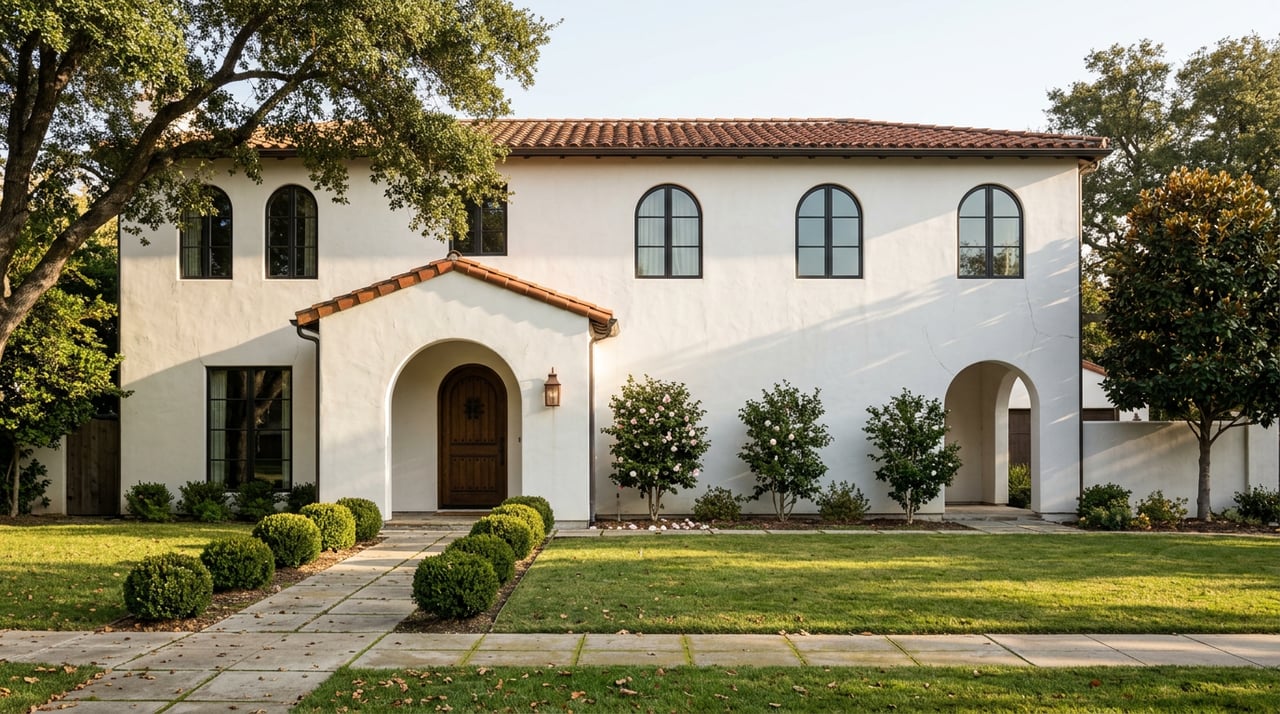
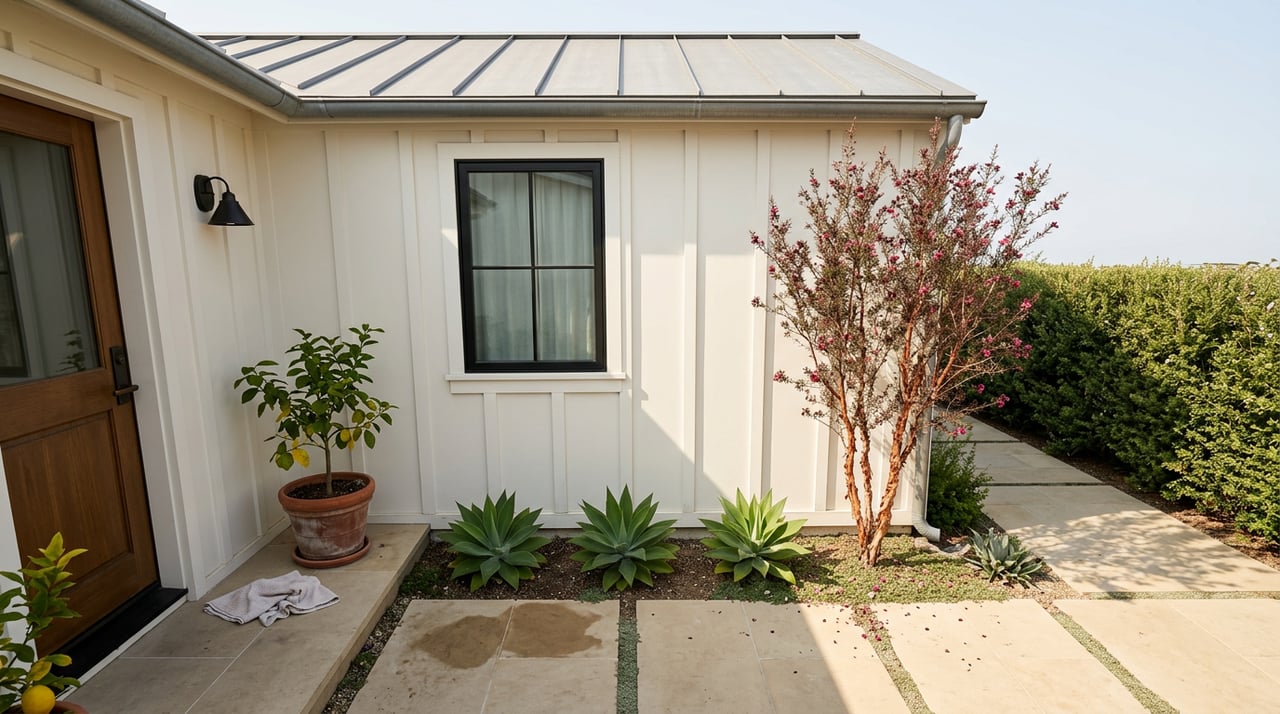
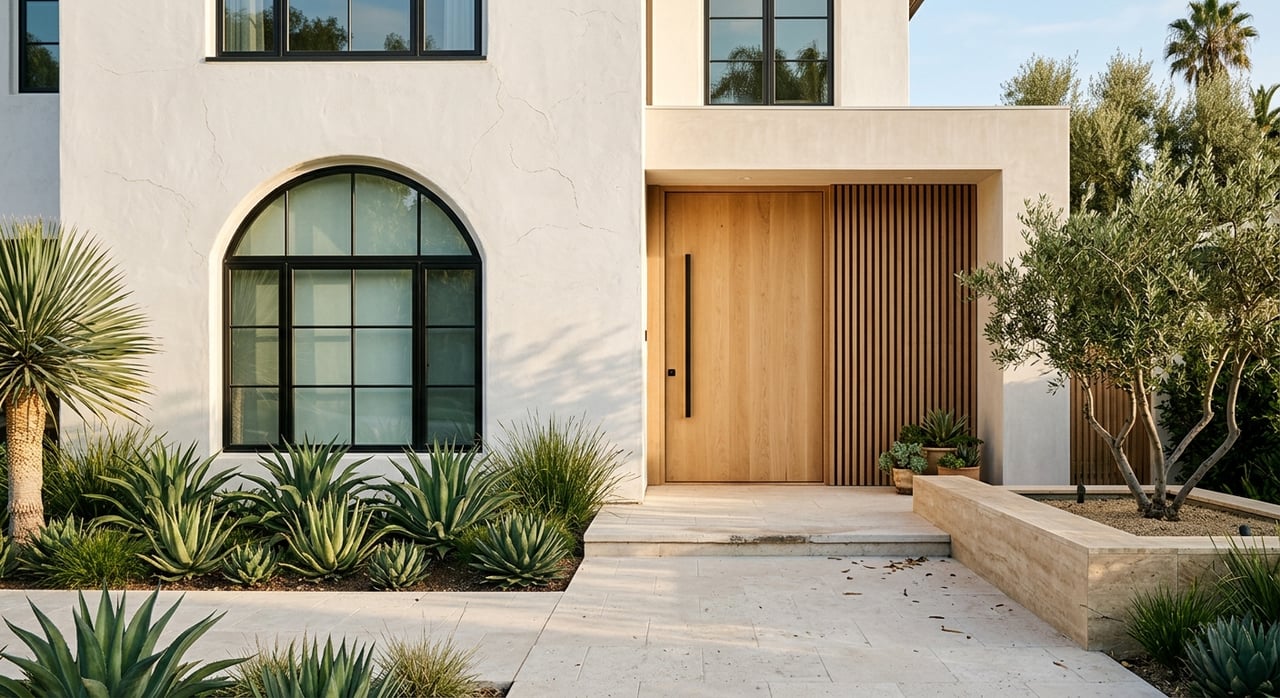
In Seal Beach, buyers often notice the exterior before they ever step inside. Coastal air, sun exposure, and moisture can make deferred maintenance more visible, so your outside presentation needs to look clean, cared for, and low-maintenance.
This does not always mean major renovation. Often, the highest-value prep is simply making the home look fresh and well-kept.
Exterior checklist
- Clean up landscaping
- Trim overgrowth
- Refresh mulch or ground cover
- Touch up exterior paint where needed
- Check gutters and downspouts
- Confirm drainage flows away from the home
- Repair cracked trim or wood rot
- Clean windows and glass doors
- Sweep porches, patios, and walkways
- Remove rust, mildew, or staining
Because Seal Beach planning documents note flood, storm surge, and wave-run-up exposure in some areas, buyers may pay closer attention to grading, gutters, drainage, and visible moisture issues. Taking care of those details before photos and showings can help your home feel better maintained.
Brighten the Interior Before You Stage
Seal Beach buyers often respond well to homes that feel bright, open, and connected to the outdoors. According to Redfin home trends for Seal Beach, buyers reward features like glass doors, sliding doors, large windows, front porches, bay windows, custom cabinetry, and tile showers.
That means your prep should protect light and sightlines, not block them. Even simple changes can make your home feel more in tune with what buyers already value in this market.
Interior prep priorities
- Declutter every room
- Deep clean floors, surfaces, and grout
- Touch up interior paint
- Replace dated hardware if needed
- Open window coverings
- Remove bulky furniture that blocks walkways
- Minimize personal items
- Highlight custom built-ins or cabinetry
- Make patios and porches feel usable and inviting
If your home has a porch, patio, sliding doors, or strong indoor-outdoor flow, make sure those features are easy to see in person and in photos.
Use Staging Strategically
Staging can be worth it, especially when your goal is to help buyers connect emotionally with the home and move quickly toward an offer. The National Association of Realtors’ 2025 Profile of Home Staging found that 49% of sellers’ agents saw reduced time on market when homes were staged, and 29% reported a 1% to 10% increase in the dollar value offered.
You do not always need to stage every room. Buyers’ agents said the living room, primary bedroom, and kitchen matter most, so that is a smart place to focus first.
Don’t block these features
- Natural light
- Large windows
- Sliding doors
- Front porches
- Bay windows
- Patio access
- Clear sightlines from one main space to another
Strong listing photos, video, and virtual tours also matter, so the home should be fully photo-ready before marketing begins.
Plan Your Launch Timeline
In a market like Seal Beach, timing matters almost as much as presentation. Market reports vary, with Redfin’s market data showing a competitive environment, while broader dashboards also suggest sellers still need to prepare carefully and price from neighborhood comps rather than rely on one citywide number.
The key takeaway is simple: do not rush to market half-ready. A staged launch often works better than listing first and fixing problems later.
A smart seller timeline
- Walk through the property
- Gather disclosures and hazard information
- Review permits and records
- Complete priority repairs
- Deep clean and declutter
- Stage key spaces
- Photograph and market the home
- Launch publicly
Compass also offers a more flexible path for some sellers. Compass Concierge can help front approved home-improvement services, with payment due at closing, for eligible sellers. Covered services listed by Compass include staging, flooring, painting, deep cleaning, decluttering, landscaping, pest control, roofing repair, HVAC work, and seller-side inspections.
Compass also allows a staged marketing rollout through Private Exclusives, Coming Soon, and then a full MLS and third-party launch. That can be useful if you want to begin building interest while prep work is still being completed.
Know When Concierge May Help
If your home would benefit from cosmetic work that could improve marketability, Concierge may be worth exploring. It can be especially useful when you want to improve presentation without paying for everything upfront before closing.
That said, the fine print matters. Compass notes that Concierge is tied to Compass listing terms, eligibility is not guaranteed, and fees or interest may apply depending on the state.
The best use of this program is usually focused, high-visibility work such as:
- Painting
- Deep cleaning
- Decluttering
- Staging
- Landscaping
- Flooring updates
- Minor kitchen or bath improvements
- Seller-side inspections
For most Seal Beach sellers, the safest sequence is still disclosures, permit review, repairs, cleaning, staging, photography, and then launch.
Final Checklist Before You List
As your launch date gets closer, you want the home to feel complete, not almost ready. A clean final pass can help you avoid last-minute stress and present the property at its best.
Pre-listing checklist at a glance
- Complete your pre-listing walk-through
- Prepare required disclosures
- Verify flood and hazard information if relevant
- Gather permit records and final approvals
- Address safety, water, roof, and pest issues
- Refresh curb appeal
- Declutter and deep clean
- Stage the most important rooms
- Keep windows, porches, and light visible
- Finish photography before going live
Selling a home in Seal Beach is part strategy, part presentation, and part risk management. When you prepare in the right order, you give yourself a better chance of attracting stronger interest and keeping the transaction on track from the start.
If you want experienced, hands-on guidance on what to fix, what to skip, and how to position your home for the market, connect with Olivia Noh for a free home valuation & consultation.
FAQs
What should Seal Beach home sellers fix before listing?
- Start with safety issues, disclosure-related concerns, visible water damage, roof problems, pest issues, and any work that may lack permits before spending on cosmetic upgrades.
Is staging worth it for a Seal Beach home sale?
- Often, yes. NAR’s 2025 staging data found that many sellers’ agents saw reduced time on market, and some reported higher dollar offers after staging.
What features should sellers highlight in Seal Beach listing photos?
- Prioritize natural light, large windows, sliding doors, porches, bay windows, and any indoor-outdoor connection that supports a bright coastal presentation.
Do Seal Beach home sellers need to check flood-zone status?
- It is a smart early step because some local areas may fall within mapped flood-related hazard zones, and verifying that information can help you prepare accurate disclosures.
Should Seal Beach home sellers gather permits before listing?
- Yes. If you completed improvements like roofing, solar, remodeling, or system upgrades, having permit records and final sign-offs ready can reduce buyer questions and delays.