Thinking about buying a historic home in Hancock Park? You are not alone. For many Los Angeles buyers, this neighborhood offers a rare mix of architectural character, established streetscapes, and homes with details you simply do not see in newer construction. If you are considering a purchase here, it helps to understand what makes these homes special, what rules may affect future changes, and where to focus your due diligence before you close. Let’s dive in.
Why Hancock Park feels different
Hancock Park is not just an older neighborhood. It is a Los Angeles Historic Preservation Overlay Zone, also called an HPOZ, and the city identifies it as a district known for Period Revival homes.
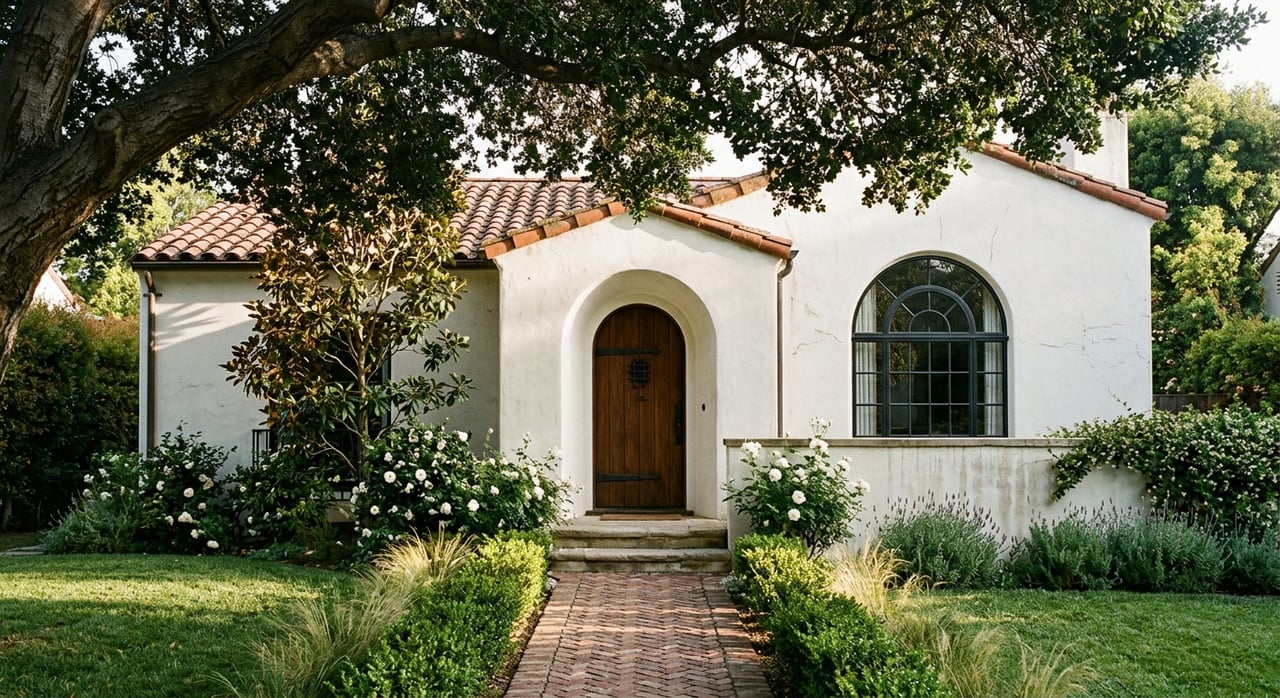
That means you will see architectural styles like Tudor Revival, English Revival, Spanish Colonial Revival, Mediterranean Revival, Monterey Revival, and American Colonial Revival. Many homes also share classic neighborhood features, including deep setbacks of about 50 feet from the street, side driveways, and rear garages.
Much of Hancock Park was developed from the 1920s through the 1950s. Because of that, original materials and architectural details play an important role in how the city evaluates changes to many properties in the area.
What historic status means for you
Buying a historic home in Hancock Park does not mean you cannot make updates. It does mean you should understand the property’s historic designation before you plan any visible exterior work.
The city allows buyers to verify whether a property is listed in ZIMAS as Contributing, Contributing Altered, or Non-Contributing. That designation can affect the level of review for future projects, so it is smart to confirm it early in your home search or escrow period.
If you are relocating to Los Angeles or buying your first older home, this step can save time and stress later. A house that looks move-in ready today may still have design review considerations if you want to change windows, roofing, doors, or an exterior elevation that can be seen from the street.
How HPOZ review works in Hancock Park
Exterior changes matter most
The citywide HPOZ process adds review for exterior work, but Hancock Park’s preservation plan narrows the focus. Review is generally centered on street-visible facades, large additions, and infill development.
That is an important distinction. Not every improvement triggers the same level of review, but visible exterior work is more likely to be examined.
Interior remodels are generally exempt
One of the most helpful details for buyers is that Hancock Park’s plan exempts interior remodels from HPOZ review. The plan also exempts paint color, many front-yard and rear-yard landscaping items, rear-yard fences, walls, hedges, and several elements that are not visible from the public right-of-way.
If your vision is mostly about reworking kitchens, baths, or interior layout, that can make the process simpler. Still, it is wise to confirm the scope of any planned work before you begin.
Side elevations may still count
A common surprise for buyers is that side elevations can be treated as part of the street-visible facade if they are visible from the street or sidewalk. In practical terms, a project that feels minor to you may still be subject to review if it can be seen by the public.
This often matters with corner lots, wide side yards, or homes where the side elevation is exposed along a long driveway. It is one more reason to study the house in person and think beyond the front door.
Unapproved work can create problems
Work performed without required HPOZ review can lead to code-enforcement action and fines. If you are buying a home that appears to have had exterior updates, it is worth asking questions during due diligence so you understand what was done and whether approvals were required.
Confirming a home’s historic classification
Before you close on a historic home, confirm the property’s status in the city’s systems. ZIMAS can help you identify whether the home is Contributing, Contributing Altered, or Non-Contributing.
That classification does not just describe the home. It can shape what future changes may require review and how preservation standards may apply.
For buyers who want to personalize a property over time, this is one of the most important early research steps. It gives you a clearer picture of the home’s flexibility before you commit.
Inspection priorities for older homes
Historic homes can be wonderful to own, but they require a more careful inspection mindset than many newer homes. Older materials, aging systems, and long ownership histories can create issues that are not obvious at first glance.
HUD’s residential rehabilitation guidance recommends evaluating older homes systematically. For buyers in Hancock Park, that means paying close attention to the roof, foundation, drainage, electrical wiring, plumbing, and HVAC systems.
Roof and drainage
Roof condition matters on any home, but it can be especially important in a historic district where visible roof work may be reviewed. In Hancock Park, the preservation plan prefers in-kind replacement for visible roof work so the roofing material, texture, composition, size, shape, and design remain consistent with the existing roof.
That means a roof issue can be both a repair question and a design-review question. You will want to understand not only whether replacement is needed, but also what kind of replacement may be expected.
Foundation and structure
Many Hancock Park homes were built decades ago, so foundation and structural review should be a key part of your inspection process. Cracks, drainage problems, sloping floors, or signs of deferred maintenance deserve a closer look.
This is also important in Southern California because older homes may present different seismic risks depending on their age, materials, and condition.
Electrical, plumbing, and HVAC
Older wiring, aging pipes, and outdated mechanical systems are common in historic homes. Even if a house has charm in every room, behind-the-wall systems may still need upgrades or repair.
A careful inspection can help you understand immediate needs, likely future costs, and whether prior improvements appear consistent and well maintained.
Lead and asbestos questions to ask
Because much of Hancock Park’s housing stock dates to the pre-1978 era, lead and asbestos are important topics for many buyers.
For most housing built before 1978, federal law requires lead-based paint disclosure information. The EPA also notes that repair or renovation work that disturbs painted surfaces can create dangerous lead dust.
Paid contractors must use lead-safe work practices when they disturb more than 6 square feet of interior painted surface or more than 20 square feet on the exterior. If you are planning updates after closing, that is a practical issue to discuss early.
With asbestos, appearance alone is not enough to confirm whether a material contains it. If materials are damaged or if a remodel is planned, the EPA recommends using a trained and accredited asbestos professional. If the material is intact and will not be disturbed, the usual guidance is to leave it alone.
Planning renovations before you buy
One of the smartest ways to buy a historic home is to think about renovations before you write the offer, not after closing. If you already know you want to replace windows, redo doors, repair stucco, reroute a driveway, or build an addition, those goals should be part of your purchase strategy.
The city’s screening checklist shows that common project types that may raise HPOZ review questions include remodels, additions, demolition, window or door replacement, roof repair or reroofing, siding and stucco repair, chimney work, landscaping or hardscaping, driveway repair, and accessory structures.
If you are considering a Certificate of Appropriateness or a Certificate of Compatibility project, the city says you should consult the HPOZ planner before preparing the filing. The city’s process starts with an initial submittal of project information, photos, and plans.
For buyers, that means renovation timing may be different from what you would expect in a non-historic neighborhood. Good planning can help you avoid delays and budget surprises.
Insurance questions to review early
Historic-home buyers in Hancock Park should also ask insurance questions early in the process. In California, standard homeowners insurance does not cover earthquake damage.
According to the California Department of Insurance, earthquake insurance is separate coverage. The California Earthquake Authority provides most residential earthquake coverage in the state through participating insurers.
Current CEA homeowners coverage options include deductibles from 5% to 25%, along with $10,000 of building code upgrade coverage. There may also be discounts for properly retrofitted older homes.
The California Department of Insurance also notes that older homes, brick or masonry homes, multi-story homes, and homes not up to code tend to present higher earthquake risk and pricing concerns. For a Hancock Park buyer, that makes insurance review a meaningful part of your total ownership budget.
A practical checklist before you close
If you are serious about buying a historic home in Hancock Park, keep this checklist in mind:
- Confirm the home’s classification in ZIMAS
- Ask which exterior changes were made and whether review was required
- Inspect the roof, drainage, foundation, wiring, plumbing, and HVAC carefully
- Review lead-based paint disclosures for pre-1978 housing
- Ask whether any materials raise asbestos concerns if remodeling is planned
- Identify any planned changes to windows, doors, roofing, stucco, chimneys, landscaping, driveways, or additions before closing
- Evaluate earthquake insurance options separately from standard homeowners coverage
A historic home can be an incredible long-term purchase, but it rewards buyers who do their homework.
Why guidance matters in Hancock Park
Hancock Park homes often involve more than location and square footage. You may be weighing architecture, preservation rules, inspection issues, renovation goals, and insurance costs all at once.
That kind of purchase benefits from careful planning and local context. When you understand the home’s historic status, likely review triggers, and real condition before you buy, you can make a more confident decision and protect your investment.
If you are exploring historic homes in Hancock Park and want experienced, hands-on guidance through the process, connect with Olivia Noh. She brings senior-level Los Angeles market knowledge and personalized support to help you buy with clarity and confidence.
FAQs
How do I confirm a home’s historic status in Hancock Park?
- You can verify whether a property is Contributing, Contributing Altered, or Non-Contributing in ZIMAS, and that designation can affect the level of review for future work.
Can I remodel the interior of a Hancock Park historic home without HPOZ review?
- In Hancock Park, interior remodels are exempt from HPOZ review under the preservation plan.
Do window, door, or roof changes on a Hancock Park home need review?
- Window replacement, door replacement, and roof work are part of the city’s screening process, and visible exterior work is more likely to require review.
Does standard homeowners insurance cover earthquake damage in Hancock Park?
- No. In California, standard homeowners insurance does not cover earthquake damage, so you would need to evaluate separate earthquake coverage.
Why are lead and asbestos concerns common in Hancock Park homes?
- Much of Hancock Park’s housing stock was built before 1978, which makes lead-based paint and possible asbestos-containing materials more relevant during inspections and renovation planning.