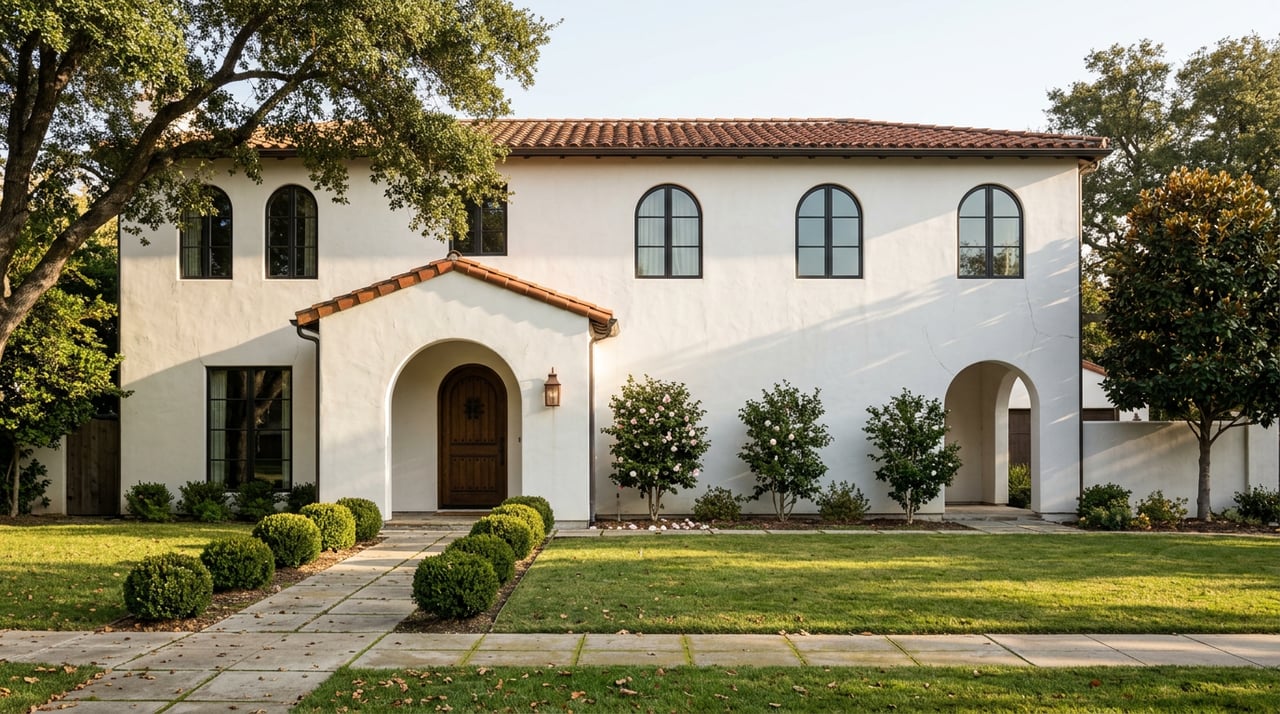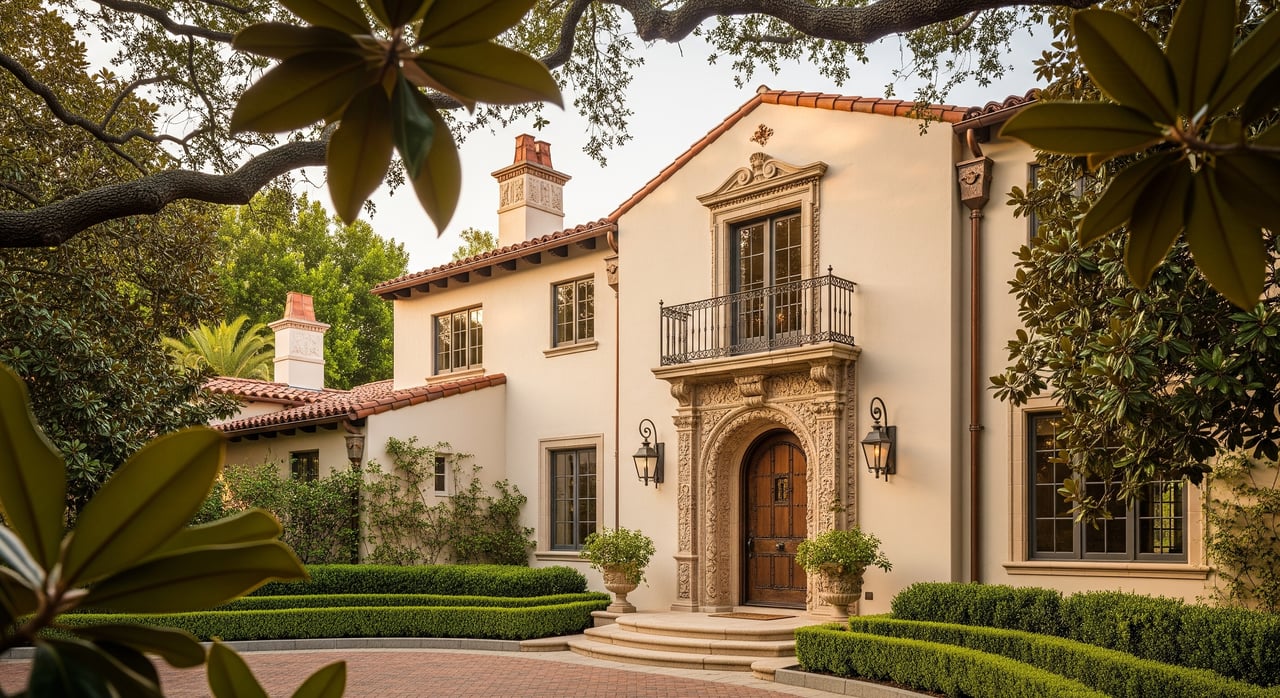
Buying a home in Hancock Park is exciting, but the word “escrow” can make the process feel mysterious. You want a smooth closing, clear deadlines, and confidence that your deposit is safe. With the right plan, escrow becomes a step‑by‑step path to the keys. In this guide, you’ll learn how escrow works in California, what timelines to expect in Hancock Park, how deposits and contingencies protect you, and the local factors that can affect your closing. Let’s dive in.
Escrow basics in California
Escrow is a neutral service that holds funds, coordinates documents, and follows the buyer’s and seller’s written instructions. In California, escrow holders are licensed and must stay neutral between both sides. Get familiar with the role by reviewing the state’s overview of escrow and licensing from the California Department of Financial Protection & Innovation.
Who is typically involved:
- You and the seller
- Your buyer’s agent and the listing agent
- Your lender if you are financing
- Escrow officer and title company
- Inspectors such as general home, termite, and specialists
- HOA management if the property is in an association
Title matters are a core part of escrow. The title company orders a title search and issues title insurance to protect against recorded defects, liens, or claims. You will review a preliminary title report and request fixes if needed. For a plain‑English overview, see major title resources such as First American Title’s education pages.
Most California transactions use standard purchase contracts that set deadlines for deposits, contingencies, and closing. Your rights and timelines come from that agreement, commonly based on the California Association of Realtors forms.
Typical escrow timeline in Hancock Park
Most financed purchases close in about 30 to 45 days. All‑cash can be faster, often 7 to 14 days. More complex deals can run 45 to 60 days or more. In Hancock Park, older and historic homes can add time for specialized inspections or title clearance.
Key milestones you can expect:
- Offer accepted, then you deliver your deposit to escrow within the contract period, often 1 to 3 business days
- Escrow opens and the title search begins within a few days
- Contingency periods start per your contract
- Inspection window: commonly 7 to 17 days
- Appraisal: usually scheduled early, with results in about 7 to 14 days
- Loan approval: often 17 to 21 days, depending on lender speed
- Final walk‑through and signing happen near the closing date
- Funding and recording complete the sale
Why timelines vary:
- Lender underwriting speed and appraisal scheduling
- Seller repairs or credits under negotiation
- Clearing title exceptions
- HOA document delivery for condos or planned communities
- City requirements that may need inspections or certificates
If you are new to the mortgage process, the CFPB’s homebuying tools can help you understand loan steps and timelines.
Deposits and contingencies that protect you
Your earnest money deposit shows good faith. Escrow holds it and applies it to your closing costs or down payment at the end.
Typical deposit amounts in Hancock Park:
- Common California baseline: about 1 to 3 percent of the purchase price
- In higher‑end and competitive areas like Hancock Park, deposits are often 3 percent or higher, and sometimes a flat amount such as 25,000 to 100,000 dollars on multi‑million‑dollar homes
- Example: on a 2,000,000 dollar home, 1 percent is 20,000 dollars and 3 percent is 60,000 dollars
Timing and handling:
- You usually wire your deposit to escrow within 1 to 3 business days after acceptance, based on your contract
- Escrow will only release funds per written instructions from both parties or as allowed by the contract
- If you cancel within a valid contingency window, your deposit is typically returned
Common contingencies in California:
- General home inspection: allows you to inspect and request repairs, credits, or cancel
- Termite and pest: common in Los Angeles; many sellers negotiate repairs or credits
- Loan approval: protects you if financing cannot be obtained
- Appraisal: helps if the appraised value comes in below the price
- Title review: you review the preliminary title report
- HOA documents: you review CC&Rs, financials, and meeting minutes when applicable
Reducing or removing contingencies can make your offer more competitive, but it increases risk. Make sure you understand your contract. For forms and general guidance, see the California Association of Realtors.
Hancock Park factors that can shape escrow
Historic homes and construction age
- Many homes here date to the early 1900s. You may see older systems such as knob‑and‑tube wiring, galvanized plumbing, lead‑based paint in pre‑1978 homes, asbestos in some materials, or older roofs
- Foundations, seismic bracing, and drainage can need attention
- Lenders or insurers may ask for repairs or documentation, which can extend timelines
HPOZ rules
- Parts of Hancock Park fall within a Historic Preservation Overlay Zone. Exterior changes often need review. If you plan renovations, review the City’s program early in escrow. Learn more from the City’s Office of Historic Resources on HPOZ guidelines and approvals
City compliance and disclosures
- Sewer lateral: many single‑family sales in Los Angeles require sewer lateral documentation or certification. Confirm current steps with the City. See the City site for sewer lateral compliance
- State disclosures: you will receive mandated disclosures including the Natural Hazard Disclosure, which may cover earthquake fault zones, seismic hazard zones, flood hazard zones, and fire hazard severity zones
Title issues in older neighborhoods
- Easements, boundary irregularities, or older restrictions are not unusual. Resolving these can require time or escrow holdbacks
Market dynamics
- Hancock Park is an established, high‑value neighborhood. In competitive moments, some buyers shorten contingency periods or offer larger deposits. Balance strength with protection.
What if something changes mid‑escrow?
Appraisal below contract price
- Options include paying the difference, negotiating a price reduction, or canceling if your appraisal contingency allows it
- If you waived appraisal but still have a loan contingency, your lender may reduce the loan amount, and you would need more cash or a new plan
Inspection finds significant issues
- You can request repairs, a price credit, or an escrow holdback for repairs
- For historic homes, get contractor bids quickly so you can decide within your contingency window
Loan delay or denial
- You can negotiate an escrow extension, seek backup financing, or cancel if you have an active loan contingency
- Stay in daily contact with your lender and respond quickly to document requests
Deposit disputes
- If a dispute arises after contingencies are removed, escrow will typically hold funds until both parties agree in writing or a court orders release
- Agents and, if needed, mediation can help resolve the issue
Step‑by‑step buyer checklist
Before you write an offer
- Get fully pre‑approved by a lender, not just pre‑qualified
- Line up a general inspector, termite inspector, and specialists such as structural or roof
- If you plan to renovate, read HPOZ rules and talk to your contractor about scope and timing
When you make an offer
- Choose realistic contingency windows and a deposit amount that fits your risk tolerance
- Include inspection and loan contingencies unless you are prepared to accept added risk
During escrow
- Send your deposit to escrow on time
- Schedule general, termite, and specialty inspections as soon as escrow opens
- Order or confirm sewer scope and required City compliance
- Review seller disclosures and the preliminary title report immediately and ask questions early
- Track the appraisal date and lender milestones; respond promptly to all requests
- If the home is in an HOA, review CC&Rs, financials, and meeting minutes right away
Final steps and closing day
- Do a final walk‑through to confirm agreed condition
- Review and sign loan and title documents
- Confirm wiring of your funds, funding, and recording timeline
- After recording, keep copies of your closing package and title policy. You can confirm recording and learn more about public records at the LA County Recorder
Costs and money flow at closing
- Your earnest money deposit is credited toward your funds to close
- You will see title insurance premiums, escrow fees, lender fees if financed, and prorations for taxes or HOA dues if applicable
- Escrow disburses funds only under the written instructions in your contract
- Title insurance policies are issued after closing, and the deed records with the county
For more background on escrow and title steps, review the educational resources from First American Title and the state’s escrow overview from the DFPI.
How to compete without overreaching
- Get a strong pre‑approval letter from a local or responsive lender
- Set inspection appointments in advance so you can keep shorter windows if needed
- Use realistic timelines for appraisal and loan approval based on lender guidance
- If you are considering a larger deposit or shorter contingencies, discuss the risk and your backup plans for appraisal or loan surprises
- Keep communication open with escrow and the listing team to avoid last‑minute delays
Your next move
Buying in Hancock Park takes a steady hand, clear timelines, and a plan that fits your goals. With historic homes, HPOZ rules, and a competitive market at times, the right guidance can save you time and stress. If you want a calm, senior‑level approach to your purchase and a local advocate who has helped buyers across Los Angeles for years, reach out to Olivia Noh.
FAQs
What is escrow in California and why is it used?
- Escrow is a licensed, neutral service that holds funds and follows the buyer’s and seller’s written instructions to coordinate a safe, orderly closing.
How much earnest money do Hancock Park buyers usually deposit?
- Many buyers put down about 1 to 3 percent of the price, while higher‑end Hancock Park offers often show 3 percent or a flat amount such as 25,000 to 100,000 dollars.
How long does escrow take for a financed Hancock Park home?
- Most financed purchases close in 30 to 45 days, while all‑cash deals can close in 7 to 14 days if title and inspections are clear.
What is HPOZ in Hancock Park and does it affect closing?
- Parts of Hancock Park are in a Historic Preservation Overlay Zone; it mainly affects renovations, but researching rules early in escrow helps you plan costs and timing.
Do I need a termite inspection when buying in Los Angeles?
- Termite and pest inspections are common, and many buyers use them to request repairs or credits within the inspection contingency window.
What happens if the appraisal comes in low in California?
- You can negotiate a price change, bring extra cash, or cancel if protected by an appraisal contingency; your options depend on your signed contract.