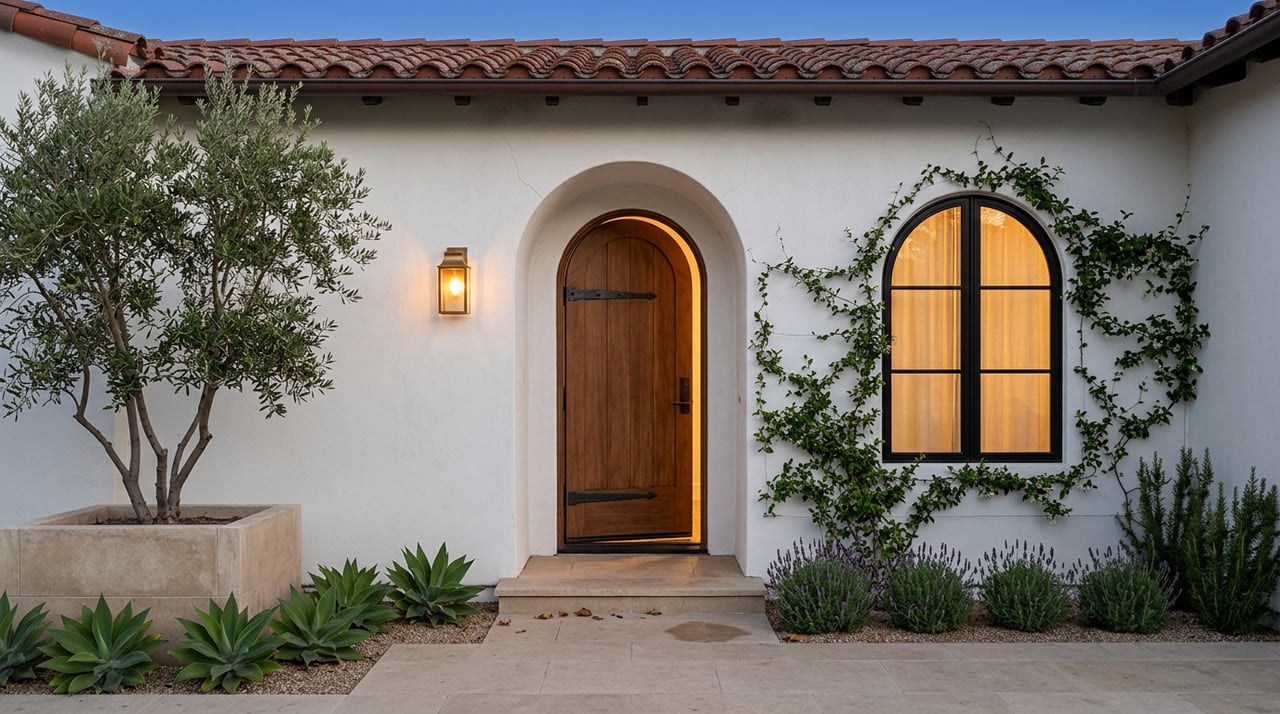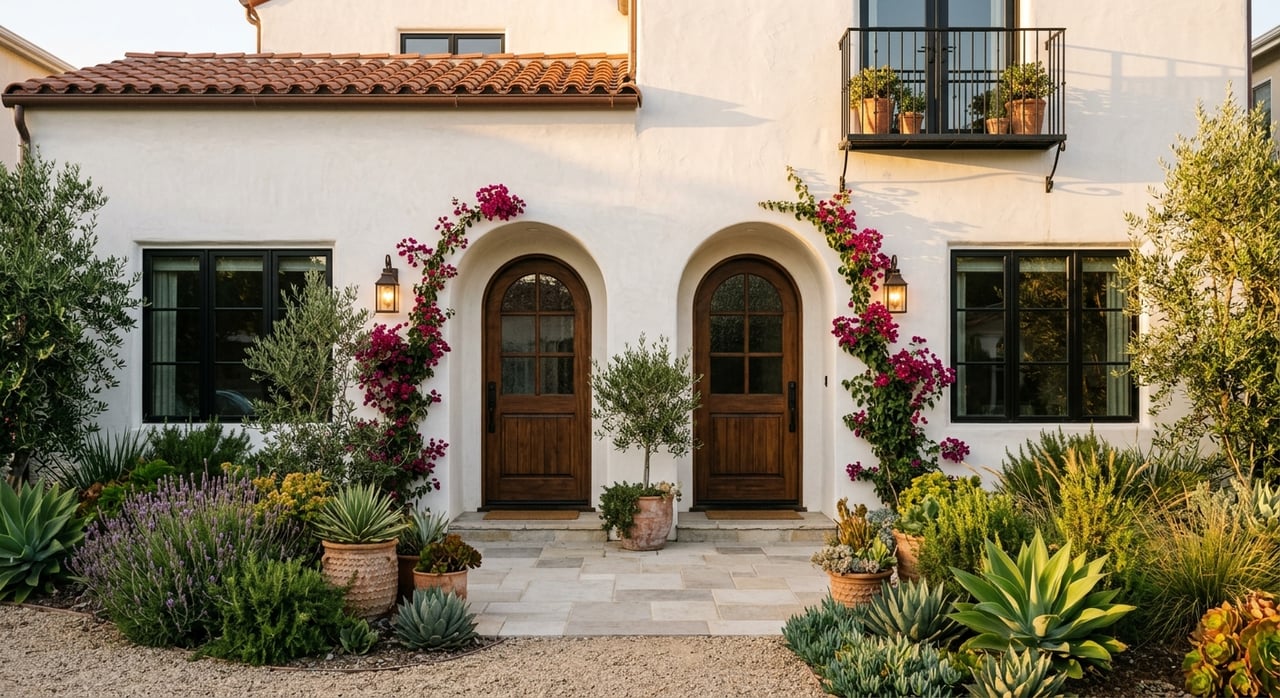
If you are looking at Hancock Park duplexes or small income properties, you already know this is not a plug-and-play market. The neighborhood’s historic character, limited redevelopment flexibility, and central Los Angeles location can make these properties appealing, but they also make them more nuanced to evaluate. This overview will help you understand what duplex inventory tends to look like here, which numbers matter most, and where buyers should slow down for due diligence. Let’s dive in.
Why Hancock Park Feels Different
Hancock Park is an official Historic Preservation Overlay Zone, or HPOZ, within Los Angeles. City Planning describes it as a preserved early 20th-century residential area known for period-revival homes, deep setbacks, side driveways, porte cocheres, and rear garages.
That matters because the neighborhood is not a free-form redevelopment market. The preservation plan focuses review on changes with the greatest neighborhood impact, especially street-facing facades, large additions, and infill development. In practical terms, duplex and income-property opportunities often need careful parcel-by-parcel review rather than broad assumptions.
For you as a buyer or owner, this can create a different value story than in other parts of Los Angeles. Scarcity, architectural character, and location may support long-term appeal, but renovation plans usually need a more thoughtful strategy.
What Duplexes Usually Look Like
In Los Angeles, a duplex is defined by City Planning as a two-unit multifamily property. Common historic forms include the double bungalow, double house, and two-flat.
These are often older, street-oriented buildings on a single lot rather than generic apartment product. Architectural styles can include Craftsman, Mission Revival, Spanish Colonial Revival, Mediterranean Revival, American Colonial Revival, Tudor Revival, and French Revival.
In and around Hancock Park, that means many duplexes are best understood as context-sensitive housing types with residential character. Instead of evaluating them only by unit count, you also need to look at layout, parking access, building orientation, and how well the property fits the surrounding streetscape.
Why Tenants Often Like This Setting
Part of the appeal of a small income property here comes from the neighborhood’s built form. Broad setbacks, side driveways, and rear garages can create a more house-like living experience in a central LA location.
For tenants, that can translate into practical benefits like privacy, parking, and architectural charm. While that does not guarantee a rent premium, it helps explain why well-located duplexes in this area may attract renters who want to stay longer.
For an owner, longer tenancy can support more stable income over time. It is one more reason Hancock Park small income properties are often judged on both lifestyle appeal and financial performance.
How To Underwrite A Hancock Park Duplex
When you evaluate a duplex or small income property, comparable sales are only part of the picture. The more important lens is usually income.
At a basic level, net operating income, cap rate, and value are linked. If net operating income rises through higher rents or lower operating expenses, value can rise even if the building itself does not physically change.
That is why a good review should go beyond the asking price. You want to understand what the property actually earns, what it costs to operate, and whether the current or future income supports your goals.
Key numbers to review
- Gross scheduled rent
- Vacancy assumption
- Operating expenses
- Net operating income
- Debt service
- Debt coverage ratio
- Property taxes
- Insurance
- Repair and maintenance reserves
Lenders also tend to underwrite rental income conservatively. Projected rents are commonly reduced for vacancy and maintenance, which is why your analysis should not assume full occupancy and perfect collections.
Why Owner-Occupants Should Pay Attention
If you plan to live in one unit and rent the other, a duplex can be one of the clearest ways to offset your housing costs. This is especially relevant in a high-cost market like central Los Angeles.
Freddie Mac notes that 2- to 4-unit owner-occupied primary residences are eligible properties, and rental income from other units can be counted in borrower income calculations. HUD also states that FHA financing is available on 1- to 4-unit properties, with down payments as low as 3.5 percent.
For move-up buyers, first-time multifamily buyers, or relocation clients who want flexibility, that can make the duplex model more accessible than many people expect. The key is to match the financing path with a realistic operating budget.
Renovation Requires More Planning Here
In Hancock Park, value-add potential is not just about nice finishes or adding square footage. Because the HPOZ rules apply on top of the underlying zoning, exterior alterations and additions can carry added review considerations.
The preservation plan places special attention on changes that affect neighborhood character. That often means visibility, compatibility, and approval risk matter just as much as construction cost.
If you are buying with renovation in mind, ask a more specific set of questions early. A property may look like it has upside on paper, but the path to that upside may be slower or narrower than expected.
Due diligence questions to ask
- Is the property inside the Hancock Park HPOZ?
- Which proposed changes would be visible from the street?
- Are additions or exterior changes likely to trigger deeper review?
- How do overlay rules interact with the underlying zoning?
- What timeline should you expect for approvals?
Rent Rules And Compliance Matter
For older duplexes and small income properties in Los Angeles, rent regulation is not a side issue. It is a core operating factor.
According to the Los Angeles Housing Department, rental units in the City of Los Angeles are generally subject to the Rent Stabilization Ordinance if the property was built on or before October 1, 1978. LAHD also states that the annual rent increase for July 1, 2025 through June 30, 2026 is 3 percent.
LAHD further notes that all rental units must be registered annually. Properties with two or more residential units and at least one rented unit also fall within the Los Angeles Housing Code inspection program.
For you as a buyer, this means recurring compliance costs should be built into underwriting from day one. Registration, inspections, maintenance, and regulated rent growth can all affect cash flow and long-term planning.
ADUs Can Add Flexibility, But Not Shortcuts
Some buyers see accessory dwelling units as a quick path to added income. In Hancock Park, that approach needs careful review.
LAHD defines an ADU as an attached or detached unit on the same lot as a primary residence. Its guidance also explains that housing-code and rent-stabilization rules can apply depending on the age and configuration of the existing structure.
In other words, an extra-unit strategy should begin with parcel-level due diligence. Before you assume a property has ADU upside, confirm zoning, historic review implications, and rent-regulation status.
What The Broader Market Suggests
The wider Los Angeles multifamily backdrop remains mixed but generally supportive of rental housing. NAI Capital reported Los Angeles County vacancy at 5.7 percent in Q4 2025, with average asking rents essentially flat and average cap rates rising to 5.6 percent.
Marcus & Millichap’s first-quarter 2026 outlook said Los Angeles is expected to face limited supply pressure in 2026, with about 6,200 units slated for delivery, the lowest total since 2015. The same outlook notes the metro remains in a low-vacancy state because of longstanding barriers to homeownership.
For Hancock Park, this helps frame why well-located duplexes can still draw interest even when buyers underwrite conservatively. Limited new supply, central location, and neighborhood character continue to support attention from both investors and owner-occupants.
What Smart Buyers Focus On
A strong Hancock Park duplex purchase usually comes down to balancing character, income, and constraints. The best opportunities are not always the ones with the most obvious cosmetic upside.
Instead, look for properties where the physical layout, rent profile, parking, compliance status, and future plan all make sense together. In a historic central LA submarket, disciplined due diligence often matters more than chasing a headline cap rate.
If you want guidance on evaluating a Hancock Park duplex, income property, or owner-occupant opportunity in central Los Angeles, Olivia Noh offers experienced, hands-on support tailored to complex local markets.
FAQs
What is a duplex in Hancock Park?
- In this context, a duplex is a two-unit multifamily property, often in older Los Angeles forms such as a double bungalow, double house, or two-flat.
Why is Hancock Park duplex inventory limited?
- Hancock Park’s HPOZ status means preservation rules shape exterior changes, additions, and infill, which can limit free-form redevelopment and reduce straightforward duplex opportunities.
Are Hancock Park duplexes good for owner-occupants?
- They can be, especially if you want to live in one unit and rent the other, since eligible 2- to 4-unit owner-occupied financing options may allow rental income from other units to support qualification.
Do Hancock Park income properties need special renovation review?
- Yes, many exterior alterations and additions may require closer review because HPOZ rules focus on compatibility and neighborhood character, especially for street-visible changes.
Are older duplexes in Los Angeles subject to rent rules?
- Many are, because LAHD says rental units in the City of Los Angeles are generally covered by the Rent Stabilization Ordinance if built on or before October 1, 1978.
Should ADU potential be part of a Hancock Park investment plan?
- It can add flexibility, but you should verify zoning, historic review issues, and rent-regulation status at the parcel level before treating ADU potential as part of the value story.