Looking for the parts of Hancock Park that make daily life feel easy, not just impressive? That is often the real question behind a home search here. Beyond the well-known architecture and historic reputation, this neighborhood offers a quieter rhythm shaped by walkable errands, green space, and nearby cultural stops. If you want to understand what everyday living in Hancock Park actually feels like, let’s dive in.
Hancock Park Starts With Its Streets
One of the biggest reasons Hancock Park feels distinct is its preserved residential core. The neighborhood’s Historic Preservation Overlay Zone is generally bounded by Melrose Avenue, Highland Avenue, Rossmore Avenue, and Wilshire Boulevard, with some commercial parcels and certain multifamily Rossmore lots excluded.
City Planning’s survey identified 1,236 parcels across roughly 66 blocks, and about 88% of the surveyed structures were classified as contributing or historically significant. Much of the development dates to the 1920s and 1930s, which helps explain the strong architectural consistency you notice as you move through the area.
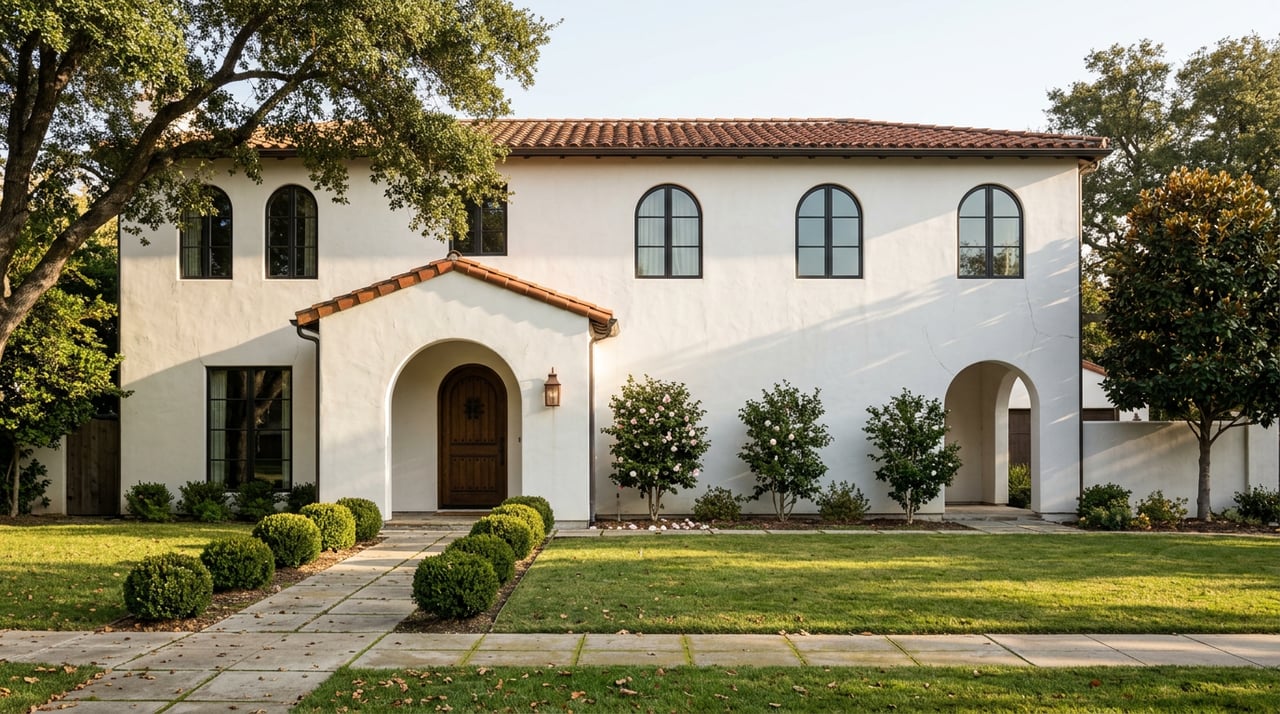
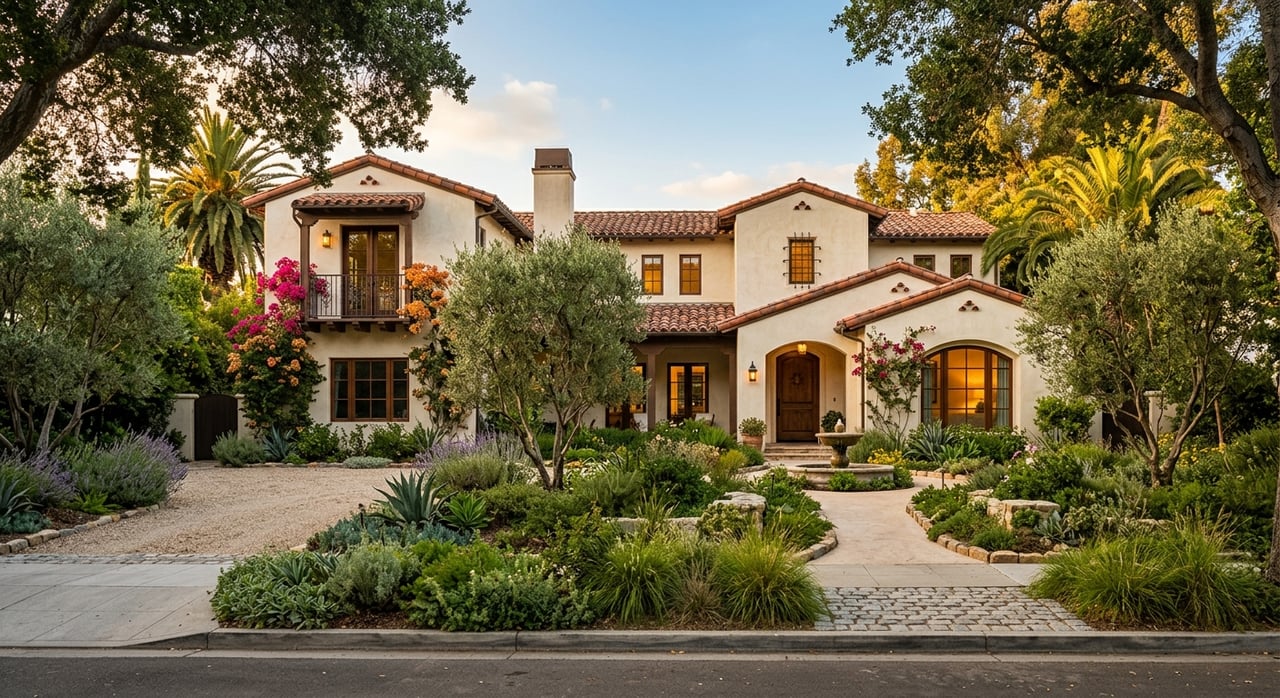
You will see a mix of Spanish Colonial Revival, Mediterranean Revival, Tudor Revival, English Revival, and Colonial Revival styles. That range gives the neighborhood visual variety, but the preservation framework helps maintain a cohesive streetscape.
For everyday living, that continuity matters. The appeal is not only about individual homes. It is also about how the blocks feel from one corner to the next, especially where street-visible changes are reviewed for compatibility with the historic character.
Larchmont Village Handles Daily Errands
A common misconception is that Hancock Park itself is the main shopping district. In practice, the historic core is mostly residential, while much of the practical day-to-day routine happens nearby in Larchmont Village.
The Larchmont Village BID runs along Larchmont Boulevard between Beverly Boulevard and 1st Street. Its management plan describes a mix of retail, restaurant, banking, service, and office uses, which makes it a functional everyday corridor rather than a one-purpose destination.
That matters when you picture life here. Instead of living on top of busy commercial activity, you are close to a compact stretch that supports errands, meals, and quick stops without changing the residential feel of the neighborhood.
Everyday Stops on Larchmont
Larchmont Boulevard offers a practical mix of businesses that support a regular routine. The local association highlights gift and stationery stores, beauty salons and spas, pet care, and dentists and doctors, along with a weekly farmers market.
The farmers market takes place Wednesdays from 1 to 5 p.m. and Sundays from 10 a.m. to 2 p.m. For many residents, that kind of recurring neighborhood event adds a sense of rhythm to the week.
Several named spots also help make the area feel familiar over time:
- Groundwork Coffee at 150 N. Larchmont for coffee, baked goods, grab-and-go items, and a made-to-order menu
- Chevalier’s Books at 133 N. Larchmont, a community bookshop that has operated since 1940
- Noah’s Bagels at 250 N. Larchmont for an easy breakfast stop
- Vernetti at 225 N. Larchmont for lunch, dinner, and weekend brunch
- Larchmont Village Wine, Spirits & Cheese at 223 N. Larchmont for sandwiches, deli items, and wine
Green Space Shapes the Routine
Another hidden strength of everyday life in Hancock Park is access to open space. This is not just a neighborhood of beautiful homes. It is also an area where parks and outdoor places can easily become part of your normal week.
LACMA’s neighborhood guide describes the museum as sitting in Hancock Park on 22 acres of park land created in 1924, when George Allan Hancock donated part of Rancho La Brea to the County of Los Angeles. The guide points to grass and shaded pathways, which gives the campus a more open and public feel than many people expect.
That means a visit here does not always have to be a major event. Sometimes it can simply be a walk through the grounds, time outside, or a casual stop that breaks up the day.
Hancock Park Near the Tar Pits
The La Brea Tar Pits describe Hancock Park as the only actively excavated Ice Age fossil site in an urban location. Just as important for residents, the site notes that the park is used for strolling, boot-camp exercise, and picnicking.
That detail says a lot about the neighborhood. The open space is not just scenic or historic. It functions as a real part of daily life for people nearby.
Pan Pacific Park Adds Recreation
Pan Pacific Park adds another layer to the area’s outdoor options. It includes a jogging path, picnic tables, play areas, a lighted baseball diamond, basketball courts, multipurpose fields, and recreation center programming with sports and cultural classes.
If you are comparing neighborhoods, this kind of variety matters. You have access to both informal green space and more traditional recreation amenities within the broader Hancock Park area.
Local Culture Feels Built In
Hancock Park’s daily appeal is also shaped by smaller cultural touchpoints. These are the places that make a neighborhood feel lived-in rather than purely residential.
Chevalier’s Books is a good example. It describes itself as a community bookshop since 1940 and hosts author events and other in-store programming, which helps Larchmont feel like a neighborhood gathering place rather than just a retail strip.
The Wilshire Branch Library at 149 N. Saint Andrews Place is another quiet anchor. The Los Angeles Public Library notes that the branch is a historic landmark recognized by the Windsor Square-Hancock Park Historical Society, and its collection includes Korean and Spanish films.
These details may seem small at first, but they shape how a place feels over time. Coffee, books, library visits, and repeat neighborhood stops often matter as much as headline attractions when you are deciding where to live.
What an Ordinary Day Can Look Like
The best way to understand Hancock Park is to think in terms of routine. The neighborhood reads as residential first, with daily life supported by a compact ring of coffee shops, bookstores, parks, museums, and practical services nearby.
An ordinary day might start with coffee or breakfast on Larchmont, continue with errands or a farmers market stop, and include a walk through green space in or around Hancock Park. Later, you might head back to Larchmont for lunch, dinner, or a bookstore visit.
That pattern is part of what makes the area so appealing. You get the calm of a preserved residential neighborhood, but you do not have to give up convenience or a sense of local activity.
Why This Matters When You Move
If you are buying in Hancock Park, understanding these hidden corners helps you judge more than just square footage or architecture. You are also evaluating how the neighborhood supports your real day-to-day life.
If you are selling, these same details help define the lifestyle story behind your home. Buyers are often looking for more than a beautiful property. They want to understand how the surrounding blocks, nearby amenities, and neighborhood rhythm add value to the experience of living there.
That is where local context matters. Knowing how Hancock Park connects to Larchmont Village, nearby green space, and long-standing neighborhood institutions gives you a clearer picture of what makes this micro-market special.
If you are considering a move in Hancock Park or another central Los Angeles neighborhood, working with an experienced local advisor can help you see both the property and the lifestyle fit. For tailored guidance on buying or selling, connect with Olivia Noh.
FAQs
Is Hancock Park mainly a shopping neighborhood?
- No. The historic core is mainly residential, while much of the daily shopping, dining, and service activity is centered along Larchmont Boulevard.
What makes Hancock Park feel different from nearby areas?
- Its preserved residential core, historic architecture, and consistent streetscape help create a strong neighborhood identity shaped by homes from the 1920s and 1930s.
What everyday amenities are near Hancock Park?
- Nearby amenities include coffee shops, restaurants, bookstores, personal services, medical and dental offices, farmers market hours on Larchmont Boulevard, and several park options.
Are there parks and outdoor spaces near Hancock Park?
- Yes. The area is supported by Hancock Park near the La Brea Tar Pits, LACMA’s surrounding park land, and Pan Pacific Park with recreation facilities and programming.
What does everyday living in Hancock Park look like?
- Daily life often centers on a residential home base with nearby coffee stops, errands on Larchmont, bookstore or library visits, and time outdoors in neighborhood green spaces.