Selling a Hancock Park home is rarely as simple as picking a neighborhood number and adding a little room to negotiate. In this part of Los Angeles, buyers are not just comparing square footage. They are comparing architecture, condition, historic character, lot presence, and how well a home fits the street around it. If you want to stand out, you need a pricing and positioning strategy built for Hancock Park, not a generic LA approach. Let’s dive in.
Why Hancock Park pricing takes more work
Hancock Park is a locally designated Historic Preservation Overlay Zone, or HPOZ, adopted in 2008. The preservation plan identifies 1920 to 1956 as the area’s period of significance and describes the neighborhood as a concentration of period-revival homes with large setbacks, mature landscaping, side drives, and strong street presence.
That matters when you sell because buyers here often respond to more than the house itself. They notice the formal relationship between the home and the street, the front yard, the entry sequence, and whether the property feels true to its architectural context. In other words, value in Hancock Park is often tied to setting and presentation as much as floor plan.
The market data also tells you to be careful with broad averages. As of spring 2026, public housing portals showed very different snapshots for Hancock Park, including median prices that ranged widely and a relatively small number of sales. Recent sales on Redfin’s Hancock Park page ranged from about $899,000 to $8.8 million, which is a strong sign that property-specific pricing matters more than a neighborhood median.
Start with the right comps
If you want to price well, the first step is choosing the right comparable homes. In Hancock Park, that means looking beyond basic bedroom and bathroom counts.
Your best comps should line up as closely as possible on:
- Micro-location or nearby blocks
- Square footage
- Lot size
- Architectural style
- Historic integrity
- Renovation level
- Permit status
A turnkey remodel and a largely original home may attract different buyers, even if they have similar size and location. One buyer may pay a premium for updated systems and immediate convenience. Another may value preserved materials, period craftsmanship, and a more intact architectural story.
That is why broad neighborhood medians can mislead sellers. In a market with a thin number of sales and a wide spread in sale prices, the more precise your comp set is, the better your pricing decisions will be.
What recent sales suggest
Recent Hancock Park sales show how much condition and positioning can affect the result. On Redfin’s Hancock Park market page, 531 S Rossmore sold for $7.15 million after 139 days on market and closed 11% under list. By contrast, 602 N Las Palmas sold 3% over list with 0 days on market. Other recent examples included 563 Wilcox, which sold 15% under list after 65 days, and 543 N June, which sold 1% under list after 47 days.
The takeaway is not that one pricing formula works for every home. The takeaway is that pricing, presentation, and buyer fit can materially change both days on market and final sale price. In Hancock Park, the asking price should be built around the most relevant competing homes, not a broad average pulled from a mixed set of properties.
Identify your home’s value story
Many Hancock Park buyers are effectively paying for one of three things. Your home should be positioned clearly around the one that fits best.
Preserved architecture
Some buyers are drawn first to original design, craftsmanship, and period details. If your home falls into this group, your pricing and marketing should highlight historic integrity, authentic materials, and the overall architectural experience.
Updated convenience
Other buyers want a finished product. If your home has already been updated, the value story may be about livability, function, systems, and move-in-ready ease.
Land or long-term potential
Some buyers look at location, lot, and future upside. If the property still needs work, realistic pricing and a clear presentation of existing condition can be more effective than trying to market it as something it is not.
Trying to appeal equally to all three groups usually weakens the listing. Strong positioning comes from deciding which buyer segment is most likely to respond and building the pricing and presentation around that audience.
Presentation matters more than sellers think
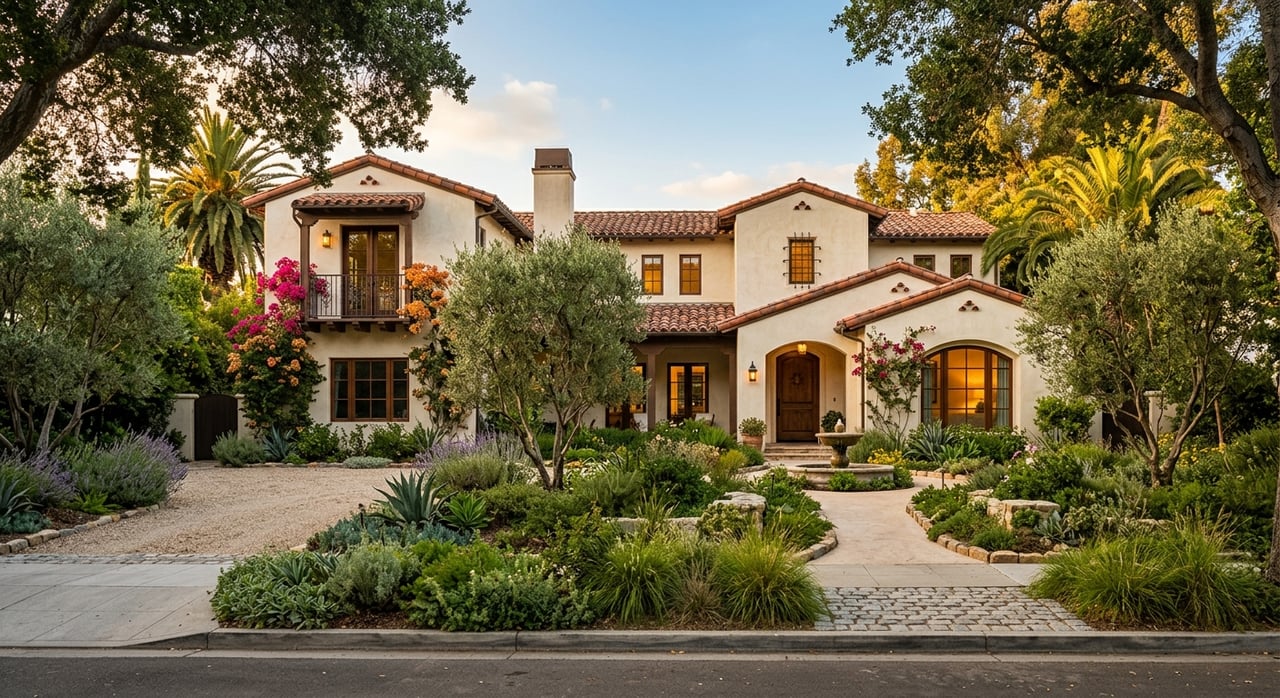
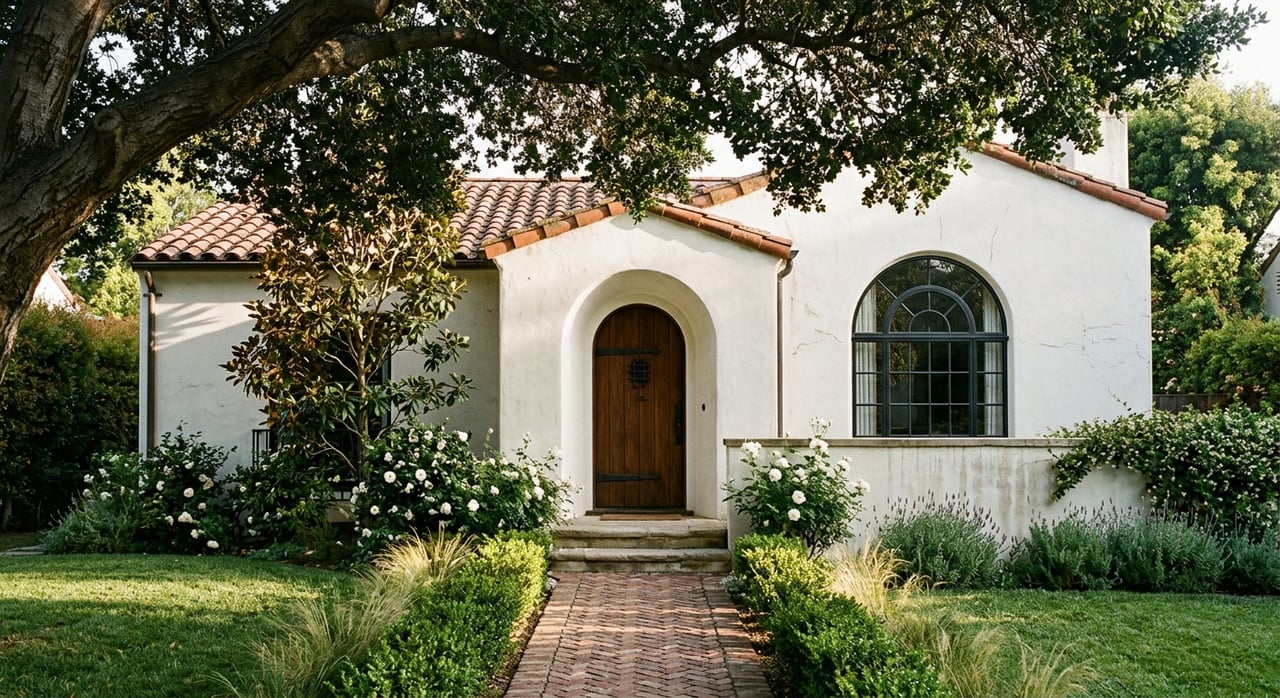
In Hancock Park, curb appeal is not just a finishing touch. The preservation plan emphasizes landscaped front yards, raised entries, mature trees, and a formal approach from the street. That means buyers may form a strong opinion before they ever walk inside.
For many homes, the most important visual asset is the front of the property. The entry, landscaping, driveway presentation, exterior lighting, and first listing photo can all shape perceived value.
Before listing, focus on polish that supports the home’s character. This can include refreshing landscaping, improving the approach to the front door, cleaning hardscape, and making sure the exterior presentation feels intentional and well maintained.
Improve without erasing character
Pre-listing work in Hancock Park should be strategic. The preservation plan says original building materials should be preserved whenever possible, and additions should be subordinate to the original structure and placed to the rear.
That means the best return often comes from improvements that make the home feel cared for without stripping away what makes it distinctive. If a house has period details, those details may be part of the value proposition rather than something to remove.
For some sellers, a lighter-touch plan works best:
- Repair visible wear
- Refresh paint where appropriate and approved
- Clean and simplify landscaping
- Improve lighting and presentation
- Edit furnishings to make rooms read clearly
- Highlight original details instead of covering them up
This is where a high-touch preparation strategy can matter. Thoughtful staging, photography, and pre-market planning can help a home feel elevated while staying true to what Hancock Park buyers expect.
Know the HPOZ review rules
Before making exterior changes, it is important to understand the local review process. Los Angeles City Planning states that properties in local historic districts may require additional review for exterior renovations, additions, new construction, and other exterior changes, including landscaping and paint.
Work completed without required review can lead to code enforcement action and fines. The city also distinguishes between contributing and non-contributing properties, and sellers are encouraged to confirm a property’s status through ZIMAS.
This is a major pricing and positioning issue because buyers may ask about prior work, permit status, and compatibility with the preservation plan. If you can answer those questions clearly, you reduce uncertainty and help buyers evaluate the home with more confidence.
Match the marketing to the buyer
A strong listing narrative should reflect the home’s likely buyer. Hancock Park sellers usually benefit most from targeting one primary segment rather than writing generic marketing copy.
For architecture-first buyers
Focus on craftsmanship, material authenticity, architectural style, and the home’s relationship to the streetscape. Photography should support that story, especially at the entry and front elevation.
For buyers seeking a finished home
Center the message on convenience, layout, systems, and move-in readiness. The value story is less about possibility and more about immediate use.
For buyers open to renovation
Lead with transparency. If work remains, realistic pricing and clear disclosure can build trust and attract buyers who already understand the opportunity.
When the story is clear, the list price makes more sense. Buyers can quickly understand what they are being asked to pay for.
Timing can affect the plan
Pricing and positioning are not just about the house. They are also about your timing. For older homeowners, Proposition 19 may play an important role in planning a move.
Los Angeles County states that homeowners age 55 or older may sell a home, buy a replacement residence anywhere in California, and transfer the original home’s tax base to the new residence, subject to the applicable rules and filing requirements. That can make tax planning part of the listing timeline instead of something to consider later.
If timing, tax planning, and pre-listing preparation all need to line up, it helps to build the sale plan early. A well-prepared timeline can support better presentation, cleaner pricing decisions, and fewer last-minute compromises.
A practical Hancock Park seller strategy
If you are getting ready to sell, this is the clearest way to think about it:
- Confirm your home’s HPOZ context and property status.
- Review truly comparable sales and active competition.
- Decide which buyer segment fits your home best.
- Improve presentation without undermining character.
- Price to the most relevant competition, not the broad median.
- Launch with photography and marketing that support one clear value story.
This approach is especially important in a neighborhood where sales volume can be thin and buyer expectations can be very specific. In Hancock Park, standing out usually comes from precision, not from overreaching.
A well-positioned listing tells buyers exactly why the home matters, why the price makes sense, and why they should act. That is how you create momentum in a market where not every property gets the same response.
If you are thinking about selling in Hancock Park, working with an experienced, hands-on advisor can help you evaluate the right prep, pricing, and launch strategy for your specific home. For a tailored valuation and consultation, connect with Olivia Noh.
FAQs
How should you price a Hancock Park home?
- Start with apples-to-apples comps based on micro-location, size, lot, style, condition, historic integrity, renovation level, and permit status rather than relying on a broad neighborhood median.
Does Hancock Park historic designation affect resale?
- It can affect exterior changes and review requirements, but the historic setting and architectural character can also be a meaningful part of what buyers value.
Should you renovate before listing a Hancock Park house?
- Pre-listing work is usually most effective when it improves polish, presentation, and function without erasing period details or creating review issues for exterior changes.
What matters most for curb appeal in Hancock Park?
- The front yard, entry, landscaping, driveway presentation, exterior lighting, and overall street-facing composition are especially important because the neighborhood places strong value on streetscape and architectural setting.
Why do Hancock Park home prices vary so much?
- Public market data shows a wide spread in both listing and sale prices, which suggests buyers are reacting to specific differences in condition, architecture, lot, presentation, and buyer fit more than to one simple neighborhood average.
Can Proposition 19 influence when you sell a Hancock Park home?
- Yes. Los Angeles County says eligible homeowners age 55 or older may be able to transfer their tax base to a replacement home anywhere in California, so timing and tax planning may affect your sale strategy.